Journal of East China Normal University(Educationa ›› 2026, Vol. 44 ›› Issue (4): 79-90.doi: 10.16382/j.cnki.1000-5560.2026.04.007

Previous Articles     Next Articles

Prediction of Higher Education-Age Population Changes at the Provincial Level in China and the Optimization of Higher Education Layout Structure

Juan Hu, Haoyun Gong, Boyuan Duan   

  1. School of Education, Renmin University of China, Beijing 100872, China
  • Accepted:2025-12-22 Online:2026-04-01 Published:2026-03-31

Abstract:

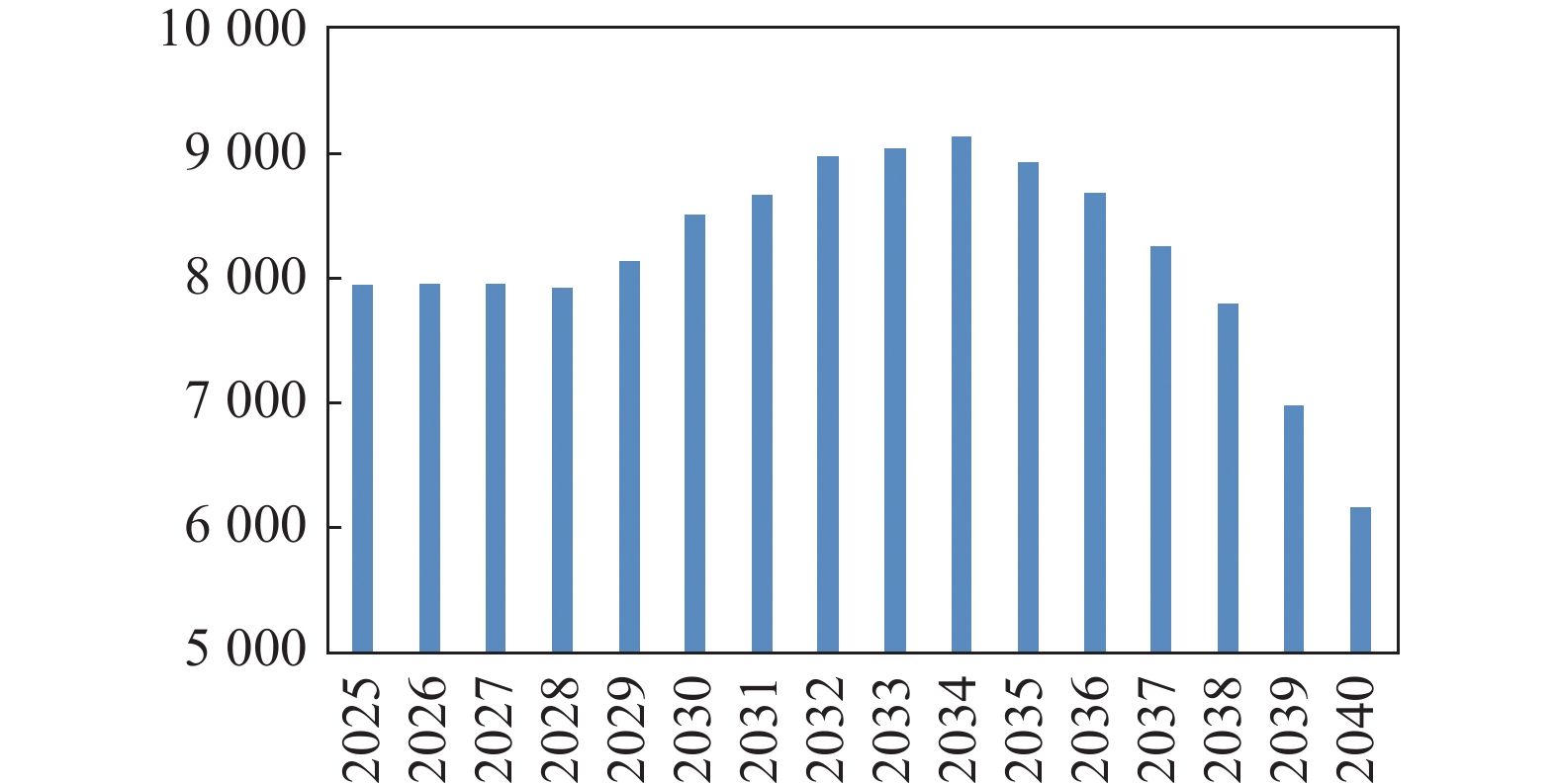
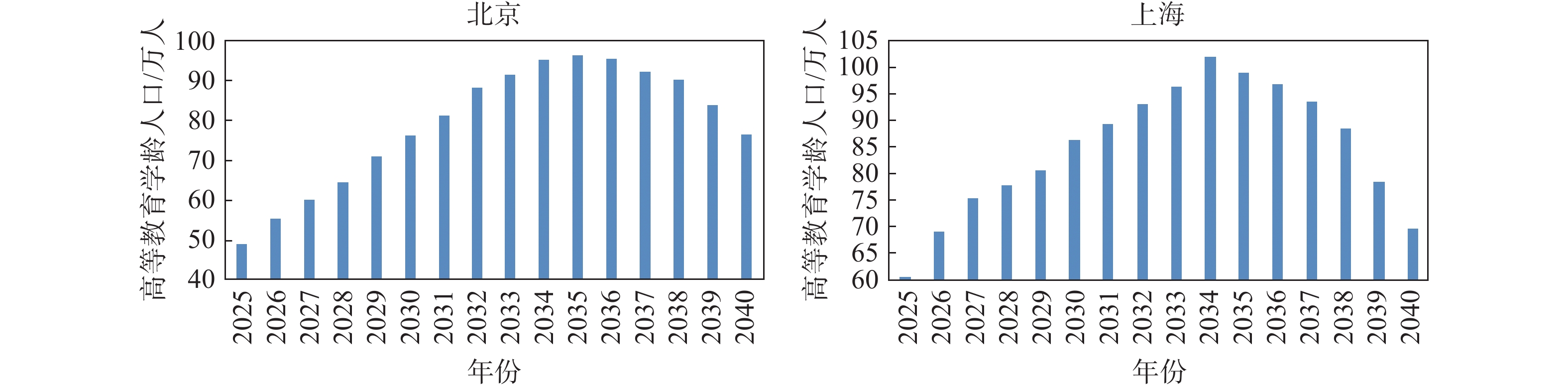
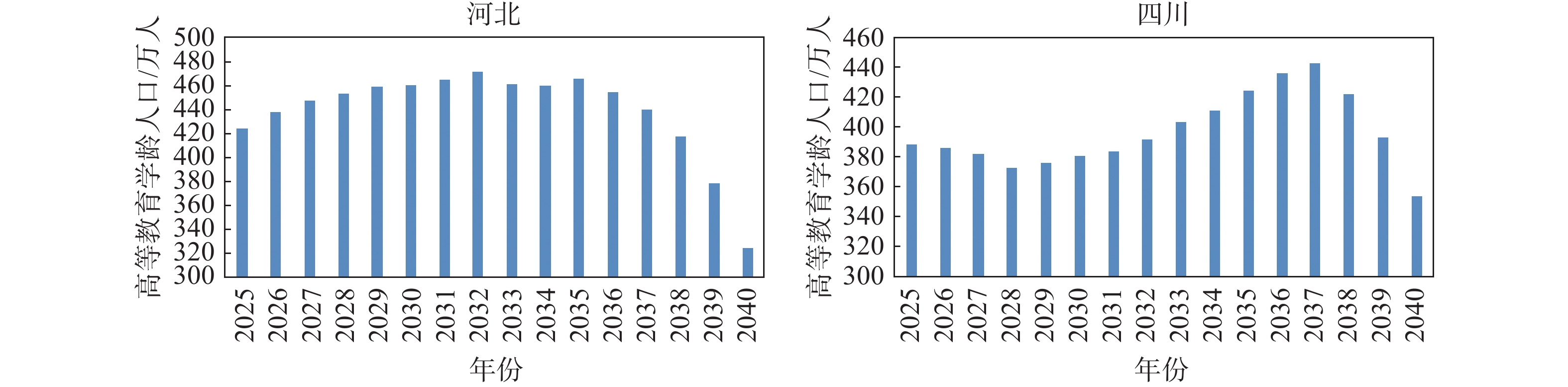
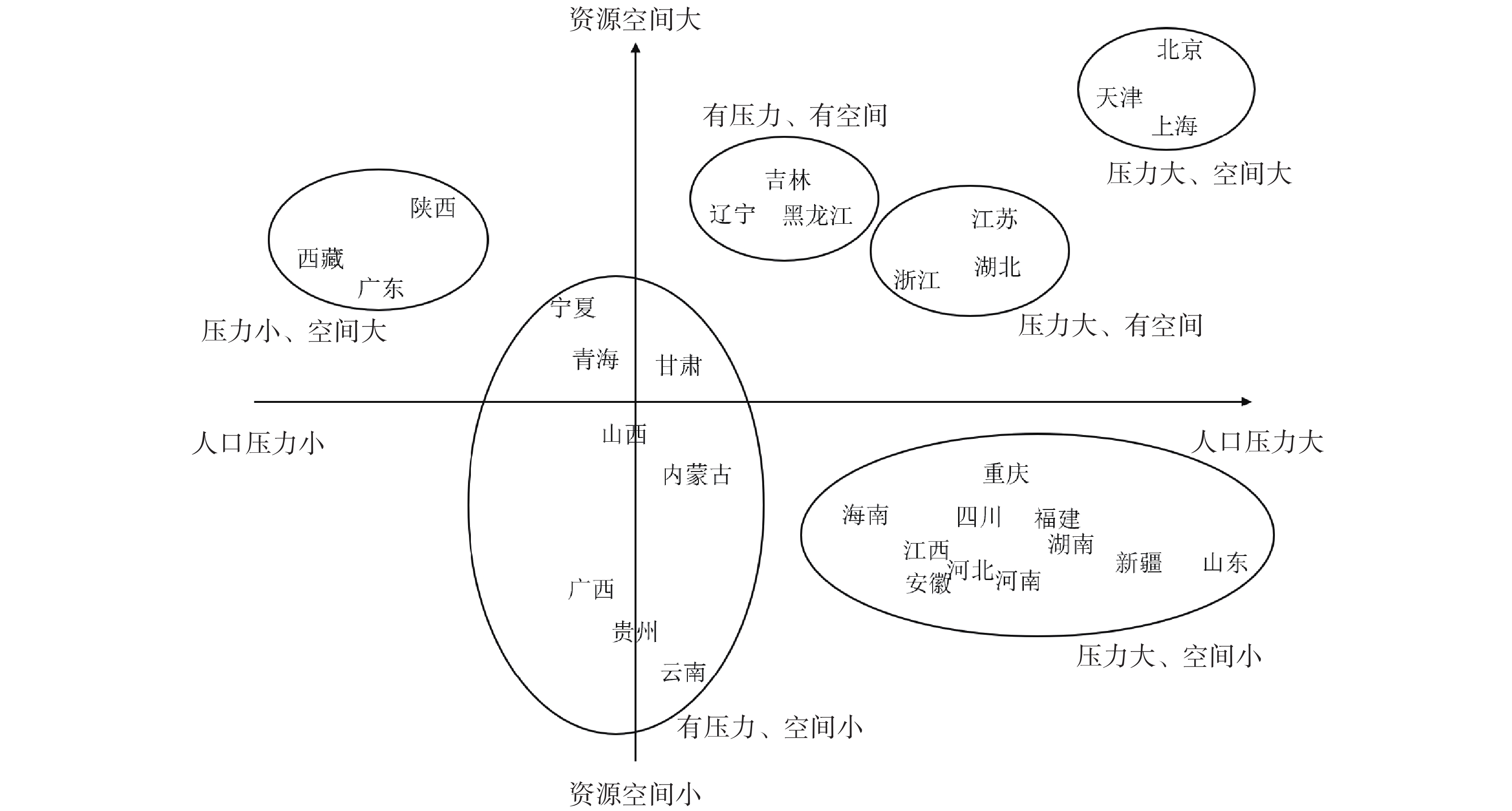
The sustained decline in China’s birth rate will significantly impact the higher education sector. Disparities among provinces in demographic shifts and higher education resource endowments further complicate the system’s response. This study employs a multi-factor population projection model to forecast the scale of the higher education-age population at both national and provincial levels for 2025—2040. Results indicate that provincial trends in higher education-age populations diverge from the national trajectory, exhibiting distinct patterns that can be categorized into four types: rapid rise followed by sharp decline, steady rise followed by abrupt drop, steady rise with gradual decline, and fluctuating decline. Based on provincial-level data on age-group population shifts and higher education resources, the study categorizes China’s 31 provinces and municipalities into six policy pressure zones according to their future adjustment pressures, regulatory flexibility, and adjustment priorities. It proposes establishing a nationwide, multi-generational long-term mechanism for allocating higher education resources alongside dynamic, differentiated provincial policy responses. Optimizing the spatial distribution of institutions is essential to effectively address challenges arising from shifts in the higher education age-group population.

Key words: low birth rate, higher education structure, higher education-age population, province