
 中国人文社会科学核心期刊
Journal of East China Normal University(Educationa ›› 2026, Vol. 44 ›› Issue (9): 101-114.doi: 10.16382/j.cnki.1000-5560.2026.09.009
Wenqi Qiu1, Changjun Yue2
Online:2026-09-01
Published:2026-08-29
Wenqi Qiu, Changjun Yue. A Multidimensional Analysis of Employment Trends for Engineering Graduates in China: Evidence from 2009 to 2025[J]. Journal of East China Normal University(Educationa, 2026, 44(9): 101-114.
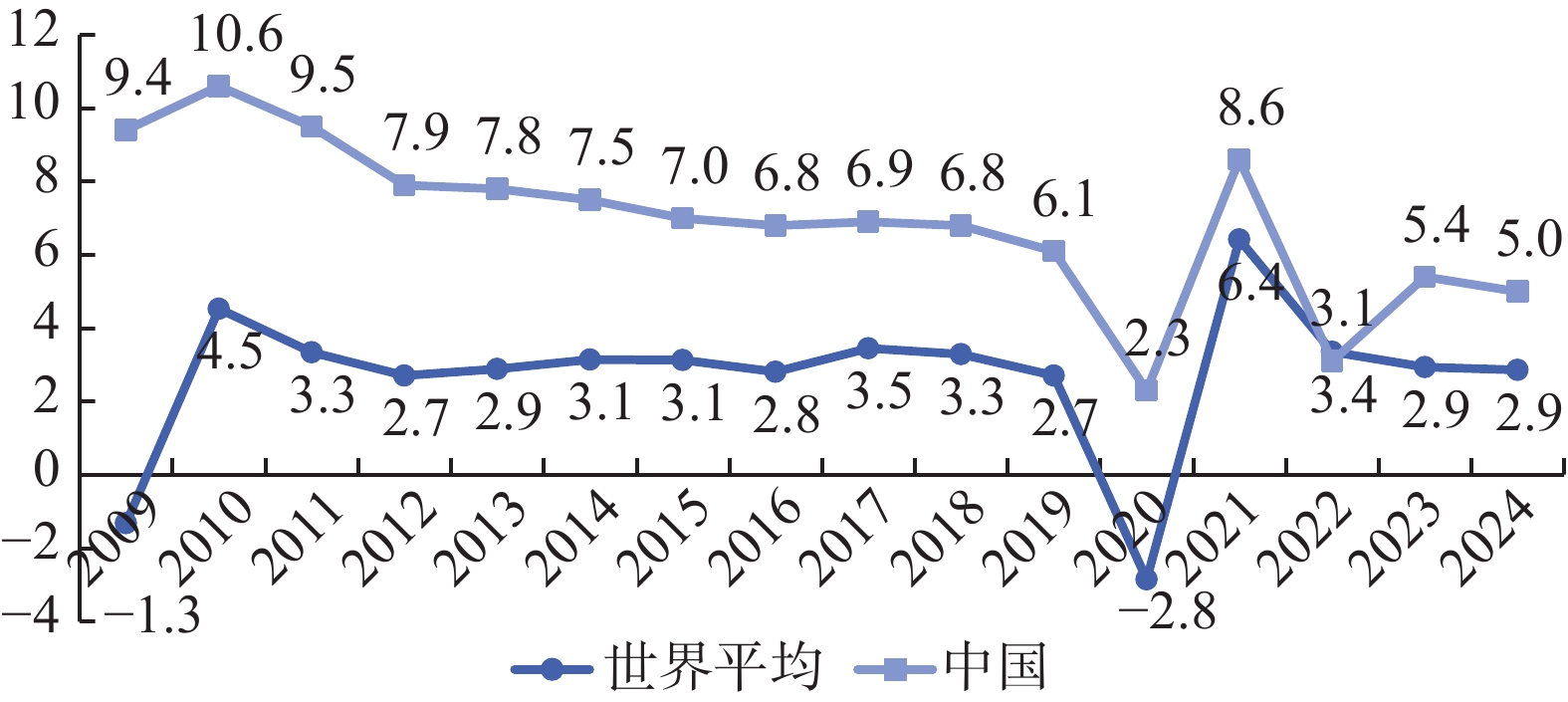
"
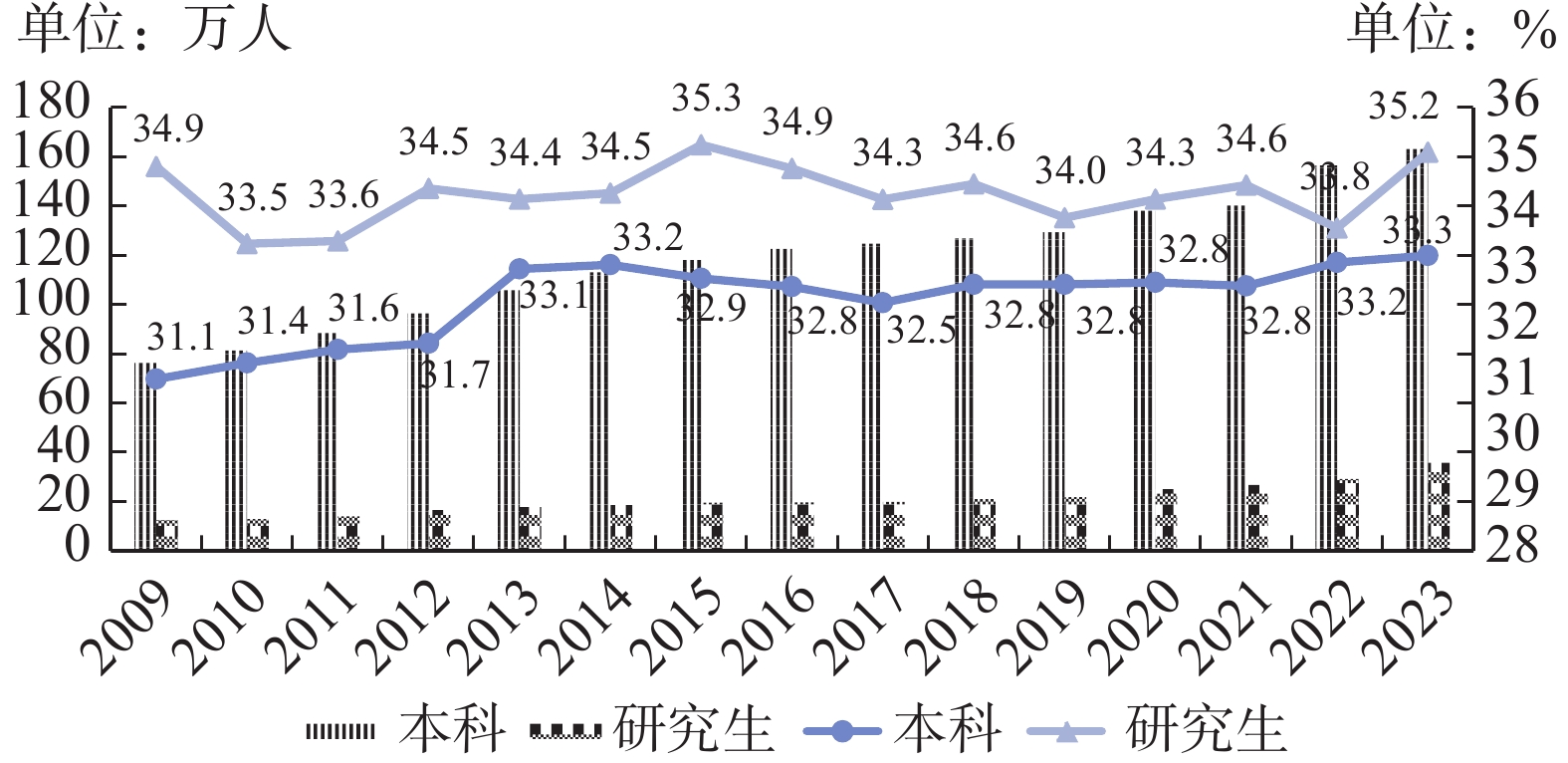
"
"
| 2009 | 2011 | 2013 | 2015 | 2017 | 2019 | 2021 | 2023 | 2025 | |
| 男 | 74.1 | 71.3 | 69.9 | 73.2 | 73.6 | 74.3 | 67.9 | 68.4 | 70.8 |
| 女 | 25.9 | 28.8 | 30.1 | 26.8 | 26.4 | 25.7 | 32.1 | 31.7 | 29.3 |
| 专科 | 56.4 | 59.1 | 54.1 | 51.5 | 51.2 | 50.3 | 50.9 | 55.0 | 55.0 |
| 本科 | 37.3 | 35.2 | 39.4 | 41.6 | 42.1 | 42.6 | 41.2 | 36.9 | 36.9 |
| 硕士 | 5.5 | 5.1 | 5.9 | 6.2 | 6.0 | 6.4 | 7.1 | 7.3 | 7.3 |
| 博士 | 0.8 | 0.7 | 0.7 | 0.7 | 0.7 | 0.8 | 0.8 | 0.7 | 0.7 |
| “双一流”高校 | 5.1 | 4.9 | 4.7 | 4.6 | 5.2 | 5.1 | 5.0 | 5.2 | 5.2 |
| 普通本科高校 | 24.9 | 24.7 | 25.4 | 25.4 | 25.8 | 25.7 | 26.2 | 25.3 | 25.3 |
| 高职高专院校 | 41.0 | 41.0 | 40.6 | 40.9 | 40.6 | 40.7 | 41.2 | 41.6 | 41.6 |
| 民办高校和独立学院 | 29.0 | 29.4 | 29.3 | 29.1 | 28.4 | 28.5 | 27.6 | 27.9 | 27.9 |
| 东部 | 45.0 | 44.6 | 44.1 | 43.8 | 43.7 | 43.2 | 42.6 | 42.3 | 42.3 |
| 中部 | 31.1 | 31.4 | 31.5 | 31.3 | 30.9 | 30.7 | 30.9 | 31.0 | 31.0 |
| 西部 | 23.9 | 24.0 | 24.4 | 24.9 | 25.4 | 26.2 | 26.5 | 26.7 | 26.7 |
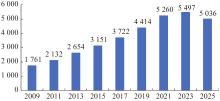
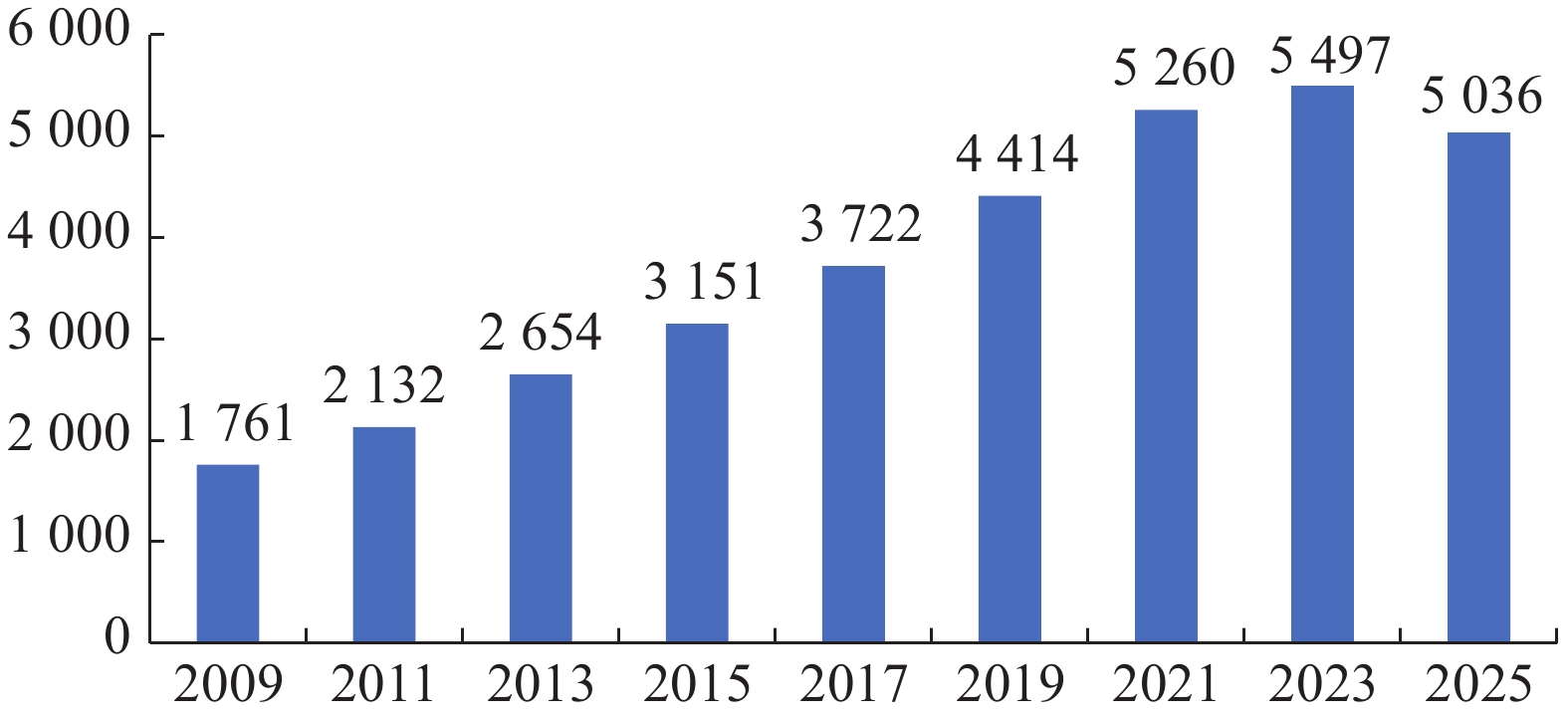
| 工科毕业生总数(人) |
"
| 变量名称 | 具体变量 | 说明 |
| 毕业去向 | 毕业去向 | 单位就业,灵活就业,继续深造,未落实 |
| 就业质量 | 就业起薪 | 初职月收入(元) |
| 就业满意度 | 不满意,一般,满意 | |
| 基本特征 | 性别 | 男,女(对照组) |
| 民族 | 汉族,少数民族(对照组) | |
| 家庭背景 | 家庭人均年收入 | |
| 父亲受教育年限 | 连续变量,根据父亲受教育程度推算 | |
| 母亲受教育年限 | 连续变量,根据母亲受教育程度推算 | |
| 高等教育特征 | 学校类型 | “双一流”高校(对照组),普通本科高校,高职高专院校,民办高校和独立学院 |
| 学历 | 专科(对照组)、本科、硕士、博士 | |
| 学生干部 | 担任过(对照组),没有担任过 | |
| 专业与兴趣吻合度 | 吻合(对照组),不吻合 | |
| 高等教育特征 | 辅修/双学位 | 无(对照组),有 |
| 外语证书 | 无(对照组),有 | |
| 计算机证书 | 无(对照组),有 | |
| 职业证书 | 无(对照组),有 | |
| 毕业年份 | 毕业年份 | 年份虚拟变量 |
"
"
"
"
| 2009 | 2011 | 2013 | 2015 | 2017 | 2019 | 2021 | 2023 | 2025 | |
| 1 | 电力、热力、燃气及水生产和供应业26.1 | 制造业27.5 | 制造业20.3 | 建筑业26.3 | 制造业20.4 | 电力、热力、燃气及水生产和供应业21.9 | 制造业22.9 | 制造业23.4 | 制造业25.7 |
| 2 | 制造业19.5 | 信息传输、软件和信息技术服务业15.8 | 建筑业18.3 | 制造业19.7 | 建筑业20.1 | 制造业21.9 | 信息传输、软件和信息技术服务业17.6 | 建筑业20.0 | 信息传输、软件和信息技术服务业12.0 |
| 3 | 建筑业12.6 | 建筑业15.2 | 信息传输、软件和信息技术服务业15.9 | 信息传输、软件和信息技术服务业9.8 | 信息传输、软件和信息技术服务业14.4 | 信息传输、软件和信息技术服务业16.2 | 建筑业14.2 | 信息传输、软件和信息技术服务业14.2 | 建筑业11.1 |
| 4 | 信息传输、软件和信息技术服务业10.7 | 交通运输、仓储和邮政业8.0 | 电力、热力、燃气及水生产和供应业7.3 | 电力、热力、燃气及水生产和供应业9.0 | 电力、热力、燃气及水生产和供应业8.0 | 建筑业8.5 | 科学研究和技术服务业9.2 | 电力、热力、燃气及水生产和供应业7.9 | 电力、热力、燃气及水生产和供应业8.9 |
| 5 | 科学研究和技术服务业8.1 | 电力、热力、燃气及水生产和供应业6.5 | 金融业5.8 | 金融业4.8 | 房地产业5.1 | 科学研究和技术服务业4.8 | 教育6.3 | 科学研究和技术服务业5.3 | 交通运输、仓储和邮政业5.5 |
"
| 2009 | 2011 | 2013 | 2015 | 2017 | 2019 | 2021 | 2023 | 2025 | |
| (1)党政机关 | 4.7 | 3.7 | 3.7 | 2.1 | 4.0 | 3.8 | 2.6 | 3.2 | 2.7 |
| (2)国有企业 | 37.0 | 22.0 | 24.3 | 24.2 | 20.3 | 35.5 | 32.1 | 35.3 | 19.1 |
| (3)民营企业 | 42.7 | 55.5 | 53.9 | 54.5 | 48.7 | 40.2 | 37.9 | 37.4 | 54.7 |
| (4)三资企业 | 6.7 | 7.3 | 5.9 | 7.4 | 6.8 | 3.7 | 3.4 | 4.4 | 3.7 |
| (5)其他企业 | 3.5 | 4.7 | 5.4 | 5.5 | 8.6 | 6.4 | 7.2 | 9.5 | 10.4 |
| (6)科研单位 | 2.2 | 1.7 | 0.9 | 1.3 | 1.1 | 2.4 | 2.0 | 1.3 | 0.8 |
| (7)高等学校 | 0.9 | 0.8 | 0.5 | 1.1 | 0.8 | 1.3 | 0.6 | 1.0 | 0.9 |
| (8)中小学 | 0.1 | 0.2 | 0.3 | 1.6 | 1.2 | 0.9 | 1.3 | 0.6 | 0.6 |
| (9)医疗卫生单位 | 0.5 | 0.2 | 0.9 | 0.0 | 0.2 | 0.8 | 1.8 | 0.3 | 0.8 |
| (10)其他事业单位 | 0.8 | 2.0 | 2.8 | 2.1 | 5.8 | 3.4 | 5.7 | 4.3 | 4.8 |
| (11)其他 | 0.8 | 1.9 | 1.4 | 0.3 | 2.4 | 1.7 | 5.3 | 2.8 | 1.7 |
"
| 职业类型 | 2009 | 2011 | 2013 | 2015 | 2017 | 2019 | 2021 | 2023 | 2025 |
| (1)党的机关、国家机关、群众团体和社会组织、 企事业单位负责人a | 18.3 | 19.3 | 17.6 | 18.4 | 23.0 | 18.8 | 5.4 | 5.0 | 3.4 |
| (2)专业技术人员 | 60.2 | 39.6 | 46.4 | 51.3 | 41.4 | 50.4 | 55.0 | 50.5 | 41.4 |
| (3)办事人员和有关人员 | 8.7 | 13.6 | 9.1 | 6.9 | 11.1 | 5.9 | 8.7 | 6.9 | 7.5 |
| (4)社会生产服务和生活服务人员 | 5.9 | 13.4 | 10.1 | 7.0 | 10.0 | 4.9 | 7.1 | 12.0 | |
| (5)农、林、牧、渔业生产及辅助人员 | 0.6 | 0.8 | 13.0 | 0.3 | 1.4 | 2.3 | 0.2 | 0.6 | 1.7 |
| (6)生产制造及有关人员 | 4.3 | 7.3 | 0.7 | 8.5 | 8.2 | 7.7 | 8.2 | 14.8 | 16.5 |
| (7)军人 | 2.0b | 6.0b | 8.8 | 0.0 | 0.6 | 0.0 | 0.0 | 0.0 | 0.2 |
| (8)不便分类的其他从业人员 | 4.5 | 4.3 | 7.2 | 4.9 | 17.5 | 15.0 | 17.3 |
"
| 就业地区 | 2009 | 2011 | 2013 | 2015 | 2017 | 2019 | 2021 | 2023 | 2025 |
| 东部 | 52.8 | 66.4 | 63.0 | 47.0 | 46.7 | 59.3 | 63.7 | 63.3 | 55.0 |
| 中部 | 14.2 | 13.0 | 19.8 | 31.2 | 29.2 | 18.1 | 15.9 | 16.9 | 22.6 |
| 西部 | 33.0 | 20.5 | 17.2 | 21.8 | 24.0 | 22.6 | 20.3 | 19.8 | 22.4 |
"
| 就业地点 | 2009 | 2011 | 2013 | 2015 | 2017 | 2019 | 2021 | 2023 | 2025 |
| (1)省会城市或直辖市 | 49.5 | 45.5 | 46.9 | 43.7 | 51.6 | 54.3 | 53.0 | 50.4 | 41.8 |
| (2)地级市 | 33.2 | 32.1 | 36.7 | 44.2 | 33.8 | 23.0 | 26.9 | 23.1 | 29.4 |
| (3)县级市或县城 | 12.7 | 15.9 | 12.9 | 8.6 | 12.1 | 17.8 | 14.0 | 16.5 | 18.7 |
| (4)乡镇 | 3.9 | 5.4 | 2.7 | 2.5 | 1.6 | 3.5 | 4.7 | 6.8 | 5.8 |
| (5)农村 | 0.7 | 1.1 | 0.7 | 1.1 | 0.8 | 1.5 | 1.5 | 3.1 | 4.4 |
"
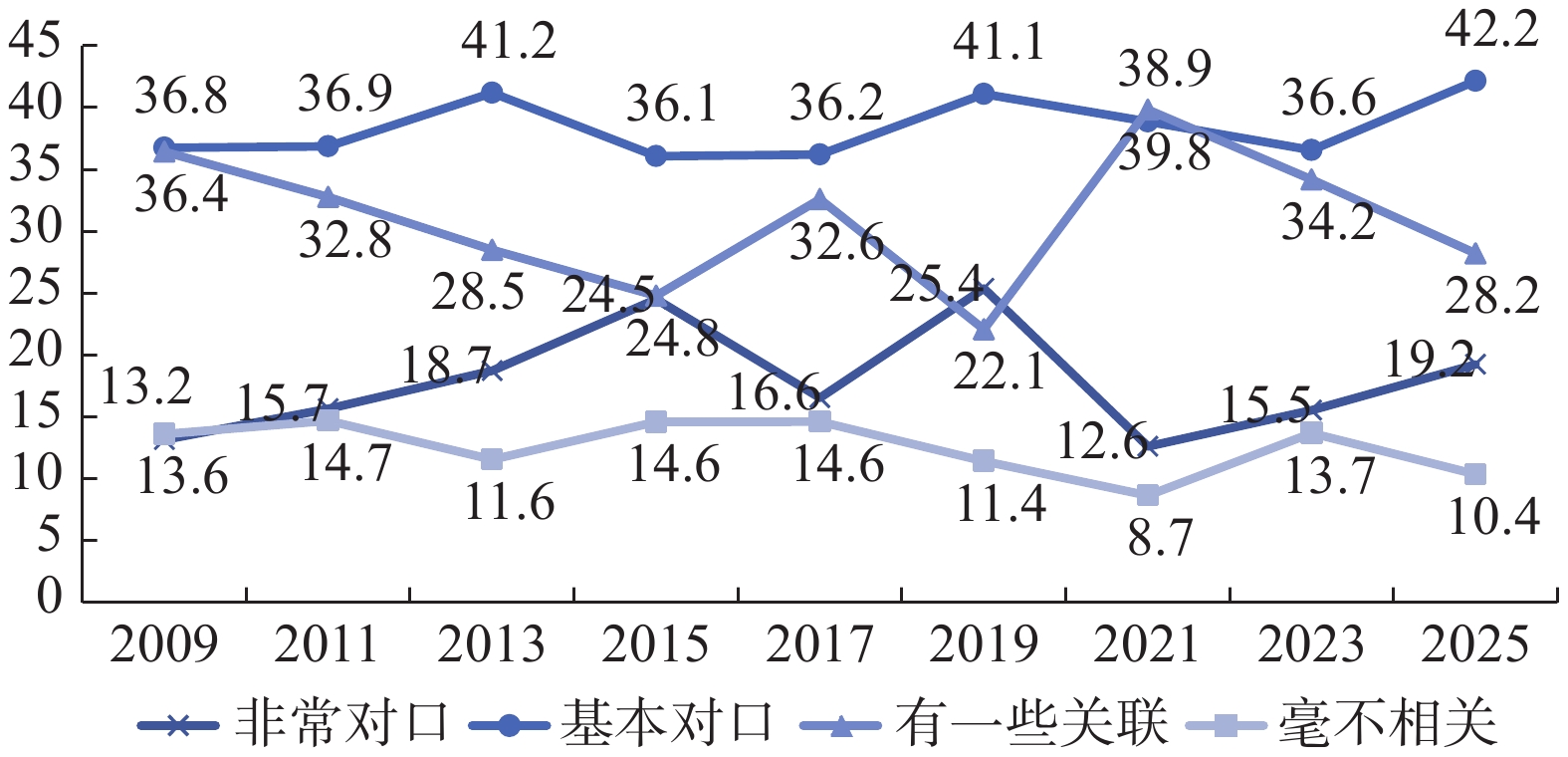
"
| 总体技能 | 专业技能 | 通用技能 | |||||||||
| 2021 | 2023 | 2025 | 2021 | 2023 | 2025 | 2021 | 2023 | 2025 | |||
| (1)高出很多 | 6.9 | 4.1 | 6.8 | 6.4 | 5.5 | 8.2 | 6.8 | 4.9 | 7.6 | ||
| (2)高出一些 | 12.6 | 9.6 | 11.1 | 14.3 | 9.1 | 11.4 | 13.1 | 10.2 | 11.5 | ||
| (3)基本匹配 | 65.5 | 61.2 | 66.3 | 55.1 | 56.4 | 60.7 | 62.2 | 60.0 | 64.6 | ||
| (4)有些不足 | 11.6 | 18.6 | 13.1 | 18.9 | 20.9 | 15.5 | 14.0 | 18.5 | 13.0 | ||
| (5)远远不足 | 3.4 | 6.4 | 2.7 | 5.4 | 8.0 | 4.2 | 3.8 | 6.5 | 3.2 | ||
"
| 第一意向单位 | 2009 | 2011 | 2013 | 2015 | 2017 | 2019 | 2021 | 2023 | 2025 |
| (1)国家机关 | 11.5 | 16.2 | 21.9 | 21.6 | 22.0 | 21.0 | 25.1 | 21.1 | 17.1 |
| (2)学校、科研单位 | 14.2 | 6.3 | 7.8 | 5.3 | 8.7 | 8.8 | 10.6 | 5.8 | 7.5 |
| (3)其他事业单位 | — | 13.8 | 10.6 | 11.3 | 13.3 | 10.8 | 5.8 | 7.5 | 7.7 |
| (4)国有企业 | 42.9 | 37.1 | 31.9 | 35.7 | 27.3 | 38.0 | 32.9 | 39.4 | 29.3 |
| (5)民营企业 | 12.4 | 18.1 | 19.1 | 19.2 | 21.0 | 16.1 | 22.5 | 22.7 | 36.4 |
| (6)三资企业 | 9.4 | 6.9 | 7.8 | 6.4 | 6.7 | 4.0 | 1.6 | 1.4 | 2.1 |
| (7)其他 | 9.7 | 1.7 | 0.9 | 0.4 | 0.9 | 1.3 | 1.4 | 2.1 | 0.0 |
"
| 2009 | 2011 | 2013 | 2015 | 2017 | 2019 | 2021 | 2023 | 2025 | |
| 1 | 发展前景好 | 发展前景好 | 发展前景好 | 发展前景好 | 发展前景好 | 发展前景好 | 福利待遇好 | 发展前景好 | 福利待遇好 |
| 2 | 利于施展个人才干 | 利于施展个人才干 | 利于施展个人才干 | 工作稳定 | 福利待遇好 | 福利待遇好 | 发展前景好 | 福利待遇好 | 经济收入高 |
| 3 | 工作单位的声誉好 | 福利待遇好 | 福利待遇好 | 利于施展个人才干 | 利于施展个人才干 | 经济收入高 | 经济收入高 | 工作稳定 | 发展前景好 |
| 4 | 符合自己的兴趣爱好 | 工作稳定 | 经济收入高 | 经济收入高 | 经济收入高 | 利于施展个人才干 | 工作稳定 | 经济收入高 | 工作稳定 |
| 5 | 工作稳定 | 符合自己的兴趣爱好 | 工作稳定 | 符合自己的兴趣爱好 | 符合自己的兴趣爱好 | 工作稳定 | 利于施展个人才干 | 利于施展个人才干 | 利于施展个人才干 |
"
| 毕业去向 | 就业质量 | ||||||
| (1) 灵活就业 | (2) 继续深造 | (3) 未落实 | (4) 起薪 | (5) 满意度 | |||
| 性别 | 女 | 0.887 | 1.338*** | 1.585*** | −0.083*** | 1.154* | |
| (0.073) | (0.085) | (0.092) | (0.014) | (0.091) | |||
| 民族 | 少数民族 | 1.354** | 1.053 | 1.297** | −0.075*** | 0.787 | |
| (0.181) | (0.149) | (0.137) | (0.025) | (0.122) | |||
| 家庭人均年收入 | 1.032 | 1.071 | 1.048 | 0.047*** | 0.908 | ||
| (0.080) | (0.075) | (0.066) | (0.015) | (0.077) | |||
| 1.039 | 0.948 | 0.968 | 0.139*** | 1.205** | |||
| (0.105) | (0.068) | (0.066) | (0.015) | (0.094) | |||
| 父亲受教育年限 | 1.011 | 1.059*** | 1.028*** | 0.003 | 1.011 | ||
| (0.012) | (0.012) | (0.011) | (0.002) | (0.012) | |||
| 母亲受教育年限 | 0.996 | 1.002 | 1.000 | 0.003 | 1.058*** | ||
| (0.013) | (0.010) | (0.010) | (0.002) | (0.012) | |||
| 学校类型 | 普通本科高校 | 3.200*** | 1.032 | 2.074*** | −0.189*** | 0.773*** | |
| (0.330) | (0.074) | (0.125) | (0.016) | (0.069) | |||
| 高职高专院校 | 3.625*** | 0.320*** | 1.275** | −0.345*** | 0.813 | ||
| (0.674) | (0.048) | (0.157) | (0.034) | (0.130) | |||
| 民办高校和独立学院 | 4.274*** | 0.459*** | 2.269*** | −0.281*** | 0.711*** | ||
| (0.747) | (0.056) | (0.190) | (0.025) | (0.093) | |||
| 学历 | 本科 | 0.865 | 0.635*** | 1.210* | 0.106*** | 1.212 | |
| (0.123) | (0.073) | (0.121) | (0.026) | (0.161) | |||
| 硕士 | 0.253*** | 0.172*** | 0.713*** | 0.458*** | 1.253 | ||
| (0.046) | (0.035) | (0.091) | (0.034) | (0.216) | |||
| 博士 | 1.157 | 0.813 | 1.230 | 0.407*** | 2.883*** | ||
| (0.720) | (0.332) | (0.369) | (0.073) | (0.872) | |||
| 学生干部 | 没有担任过 | 1.113 | 0.803*** | 1.232*** | −0.044*** | 0.782*** | |
| (0.092) | (0.048) | (0.066) | (0.012) | (0.052) | |||
| 专业与兴趣吻合度 | 不吻合 | 1.456*** | 0.832*** | 1.502*** | 0.002 | 0.453*** | |
| (0.108) | (0.056) | (0.085) | (0.014) | (0.033) | |||
| 辅修/双学位 | 有 | 1.198* | 0.966 | 0.779*** | 0.052*** | 1.170 | |
| (0.112) | (0.089) | (0.070) | (0.019) | (0.124) | |||
| 外语证书 | 有 | 0.778** | 1.406*** | 0.796*** | 0.055*** | 1.068 | |
| (0.078) | (0.085) | (0.048) | (0.014) | (0.091) | |||
| 计算机证书 | 有 | 1.130 | 1.146** | 0.844*** | 0.022* | 0.836*** | |
| (0.092) | (0.070) | (0.046) | (0.013) | (0.058) | |||
| 职业证书 | 有 | 0.875* | 0.763*** | 0.756*** | −0.006 | 0.994 | |
| (0.068) | (0.049) | (0.046) | (0.014) | (0.075) | |||
| 年份固定效应 | 2011 | 0.617*** | 0.566*** | 0.418*** | 0.263*** | 1.339 | |
| (0.114) | (0.101) | (0.056) | (0.041) | (0.268) | |||
| 2013 | 0.662** | 0.655** | 0.534*** | 0.436*** | 1.990*** | ||
| (0.126) | (0.128) | (0.074) | (0.040) | (0.397) | |||
| 2015 | 2.326*** | 0.844 | 0.399*** | 0.605*** | 3.748*** | ||
| (0.691) | (0.179) | (0.078) | (0.047) | (0.903) | |||
| 2017 | 1.126 | 1.215 | 0.223*** | 0.784*** | 5.426*** | ||
| (0.211) | (0.221) | (0.034) | (0.042) | (1.203) | |||
| 2019 | 0.835 | 1.976*** | 0.360*** | 0.970*** | 5.184*** | ||
| (0.160) | (0.370) | (0.057) | (0.042) | (1.155) | |||
| 2021 | 1.296 | 2.427*** | 0.428*** | 1.077*** | 4.457*** | ||
| (0.254) | (0.462) | (0.067) | (0.046) | (1.157) | |||
| 2023 | 0.361*** | 2.780*** | 0.641*** | 1.109*** | 2.981*** | ||
| (0.074) | (0.514) | (0.091) | (0.042) | (0.612) | |||
| 2025 | 0.488*** | 1.480** | 0.616*** | 1.053*** | 2.964*** | ||
| (0.090) | (0.262) | (0.082) | (0.040) | (0.591) | |||
| 观测值 | |||||||
| 陈梅. (2025). 高等教育背景对毕业生就业的影响研究——基于全国代表性CGSS数据的实证分析. 江苏高教, (06), 65- 72. | |
| 郭建如, 邓峰. (2023). 高等教育学科结构与产业结构的适配性研究——基于高校毕业生学用匹配及就业质量的视角. 河北大学学报(哲学社会科学版), 48 (01), 112- 122. | |
| 金凤君, 冯瑜满, 姚作林, 陈卓. (2023). 20世纪中叶以来全球经济地理格局的演化特征与模式. 世界地理研究, 32 (11), 1- 12. | |
| 赖德胜. (2024). 高校毕业生结构性就业矛盾及其政策应对. 新视野, (06), 13- 23. | |
| 马茹, 张静, 王宏伟. (2019). 科技人才促进中国经济高质量发展了吗?——基于科技人才对全要素生产率增长效应的实证检验. 经济与管理研究, 40 (05), 3- 12. | |
| 秦琳, 姜晓燕, 张永军. (2022). 国际比较视野下我国参与全球战略科技人才竞争的形势、问题与对策. 国家教育行政学院学报, (08), 12- 23. | |
| 邱文琪, 岳昌君, 闫思宇, 管雨婷. (2024). 2023年全国高校毕业生就业状况实证研究——基于单位就业与灵活就业的对比分析 . 北京大学教育评论, 22(02), 88—111+189—190. | |
| 王牛, 丁延庆, 赵奕璇. (2025). 劳动力市场中的本科专业专用性差异: 来自2009—2019年全国毕业生就业调查的实证分析. 中国人力资源开发, 42 (10), 98- 113. | |
| 魏丽娜, 沈文钦, 陈洪捷. (2024). 工科博士毕业生企业就业趋势及其影响因素——基于两次全国调查的分析. 高等工程教育研究, (03), 65- 72. | |
| 岳昌君, 冯沁雪, 辛晓佳, 邱文琪. (2023). 中国高校毕业生就业趋势研究报告: 来自2003—2021年调查数据. 华东师范大学学报(教育科学版), 41 (09), 138- 154. | |
|
祝军, 沈文钦, 赵颖, 徐浩天. (2021). 工科博士毕业生到企业就业的状况及影响因素分析. 教育发展研究, 41 (17), 25- 34.
doi: 10.14121/j.cnki.1008-3855.2021.17.006 |
|
| 中华人民共和国国民经济和社会发展第十五个五年规划纲要, (2026—03—14). 人民日报, 001. | |
| International Monetary Fund. Research Dept. (2025). World Economic Outlook Update, January 2025: Global Growth: Divergent and Uncertain. Washington, DC: International Monetary Fund. |
| [1] | Changjun Yue, Qinxue Feng, Xiaojia Xin, Wenqi Qiu. Research Report on Employment Trends of Chinese College Graduates: Based on 2003—2021 Survey Data [J]. Journal of East China Normal University(Educational Sciences), 2023, 41(9): 138-154. |
| [2] | Yunyun Liu, Yinghua Ye. Factors Influencing Chinese Returnees’ Employment Quality: Empirical Analysis Based on Ordinal Logistic Regression and ISM Model [J]. Journal of East China Normal University(Educational Sciences), 2021, 39(12): 42-58. |
| Viewed | ||||||
|
Full text |
|
|||||
|
Abstract |
|
|||||
