华东师范大学学报(教育科学版) ›› 2026, Vol. 44 ›› Issue (11): 12-22.doi: 10.16382/j.cnki.1000-5560.2026.11.002

• 专题:赫尔巴特诞辰250周年(特约主持:彭正梅) • 上一篇    下一篇

如何培养道德自由:赫尔巴特《普通教育学》德育原理的考察

彭正梅   

  1. 华东师范大学国际与比较教育研究所,上海 200062
  • 接受日期:2026-06-12 出版日期:2026-11-01 发布日期:2026-10-24
  • 基金资助:
    国家社科基金2022年度教育学一般课题“教育学如何回应文化自信:德国当代教育学原理研究”(BAA220168)。

How to Cultivate Moral Freedom: An Examination of the Principles of Moral Education in Herbart’s General Pedagogy

Zhengmei Peng   

  1. Institute of International and Comparative Education, East China Normal University, Shanghai 200062, China
  • Accepted:2026-06-12 Online:2026-11-01 Published:2026-10-24

摘要:

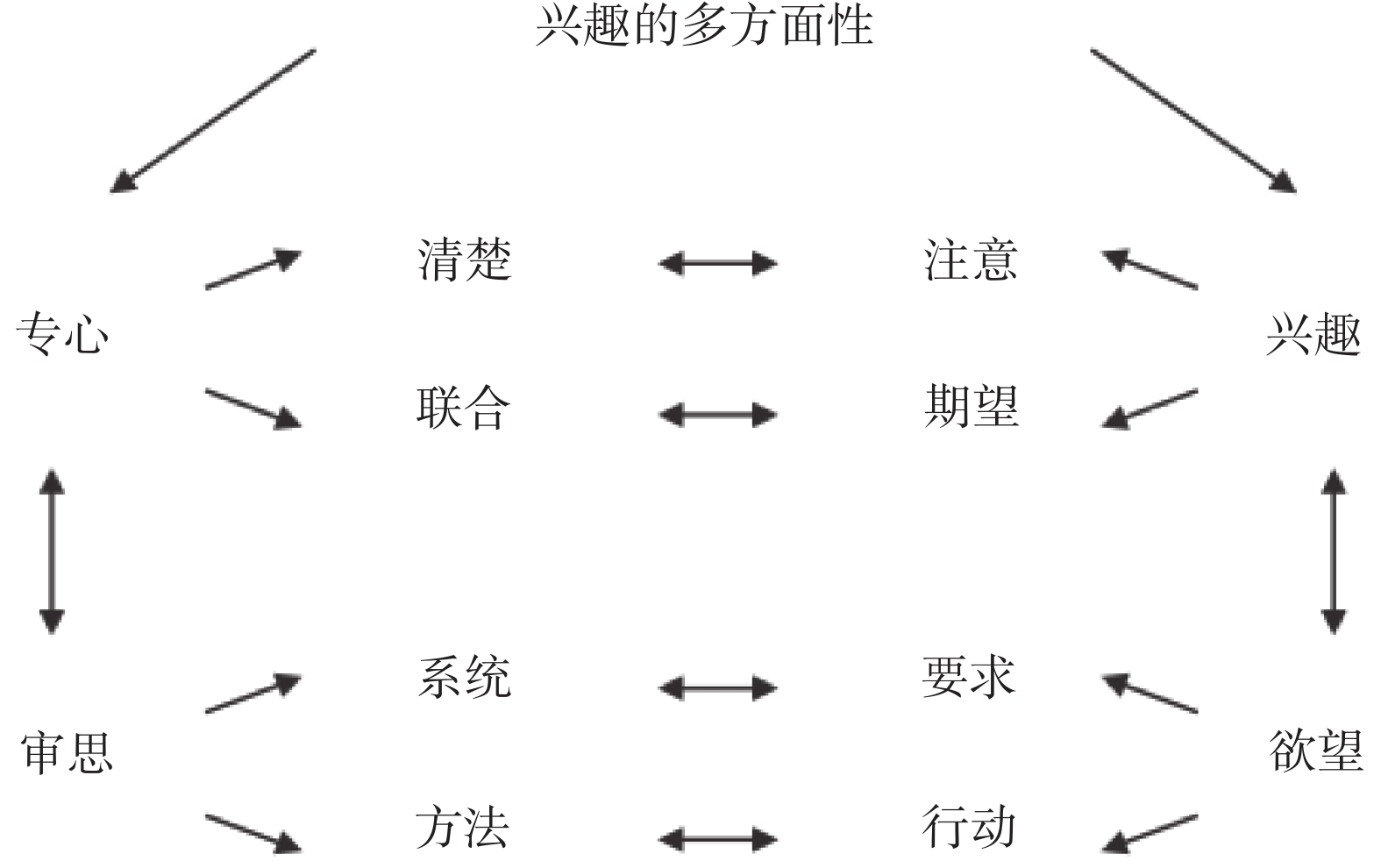
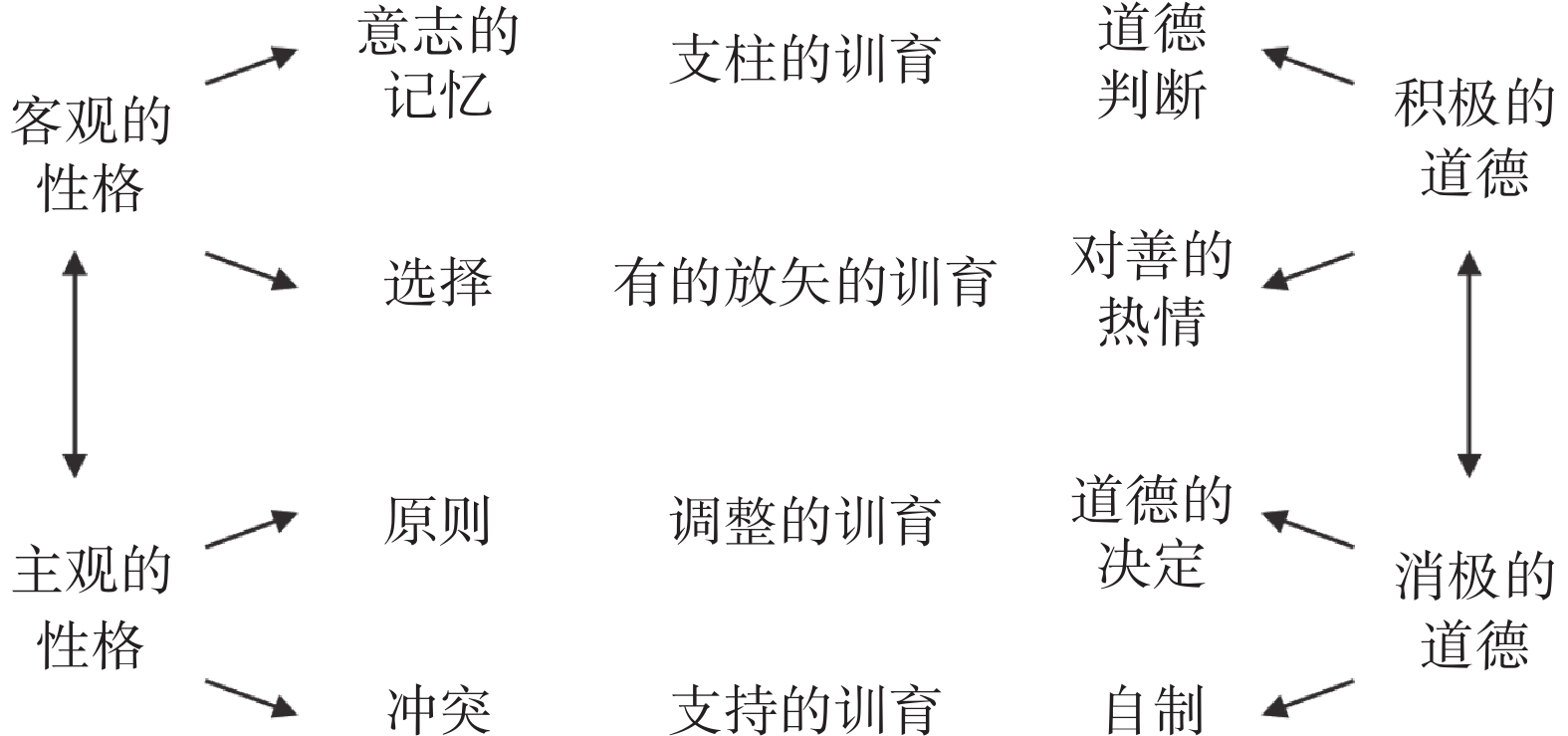
道德是赫尔巴特教育学唯一的、最高的目的。本文从道德自由的视角,考察赫尔巴特《普通教育学》中道德教育的现代特性、可能性以及基本措施,重点聚焦其德育三重结构——儿童管理(Regierung)、教学(Unterricht)与训育/道德引导(Zucht),讨论一个近代教育哲学的核心难题:教育为什么必须以某种外在影响、限制甚至强制为起点,却又以学生的自由、自主与道德判断为归宿。赫尔巴特并非以强制压制自由,而是试图通过一个递进结构,把外在秩序、认知开显与道德自律(道德引导)联结起来。管理只为当下秩序与避免伤害创造前提,本身并不直接塑造儿童的内在目的;教学通过“多方面兴趣”的形成,把学生从偶然冲动、单向欲求与被动服从中解放出来,获得判断世界与筹划未来的精神空间;训育则将判断推进到意志层面,使学生能够凭借自己的洞见而选择善、拒斥恶,最终形成“道德性格的力量”。本文据此重释赫尔巴特三维度的内在逻辑,提出一种“以秩序保障自由、以教学生成思考自由、以训育形成行动自由”的德育框架,并指出其现代教育/立德树人的自由主义倾向及其治理意义。从这个意义上,这种以道德自由为导向的德育原理与我国道家而不是儒家有着更为深层的关系。

关键词: 道德自由, 德育原理, 兴趣的多方面性, 道法自然

Abstract:

Morality is the sole and highest aim of Herbart’s pedagogy. From the perspective of moral freedom, this paper examines the modern characteristics, possibility, and basic measures of moral education in Herbart’s General Pedagogy. It focuses in particular on the threefold structure of Herbart’s moral education—government or child management (Regierung), instruction (Unterricht), and moral guidance (Zucht)—and discusses a central problem in modern philosophy of education: why education must begin with certain forms of external influence, restriction, and even coercion, while ultimately aiming at students’ freedom, autonomy, and moral judgment. This paper argues that Herbart does not use coercion to suppress freedom. Rather, he attempts to connect external order, cognitive disclosure, and moral self-determination through a progressive structure. Government merely creates the necessary conditions for present order and the prevention of harm; it does not directly shape the child’s inner purposes. Instruction, through the formation of “many-sided interest,” liberates students from accidental impulses, one-sided desires, and passive obedience, thereby enabling them to gain the intellectual space needed to judge the world and plan for the future. Moral guidance further advances judgment to the level of the will, enabling students, on the basis of their own insight, to choose the good, reject evil, and ultimately form “strength of moral character.” On this basis, the paper reinterprets the internal logic of Herbart’s three dimensions and proposes a framework of moral education in which order safeguards freedom, instruction generates freedom of thought, and moral guidance forms freedom of action. It further points out the liberal tendency and governance significance of this moral-educational principle for modern education and for the cultivation of virtue and character. In this sense, Herbart’s principle of moral education oriented toward moral freedom bears a deeper affinity with Chinese Daoism rather than Confucianism.

Key words: moral freedom, principles of moral education, many-sidedness of interest, Dao following things themselves