
 中国人文社会科学核心期刊
Journal of East China Normal University(Educationa ›› 2025, Vol. 43 ›› Issue (12): 111-129.doi: 10.16382/j.cnki.1000-5560.2025.12.009
Xiaolian Huang, Hongkai Shao, Conggen Yan
Accepted:2025-08-24
Online:2025-12-01
Published:2025-11-27
Xiaolian Huang, Hongkai Shao, Conggen Yan. Public Discourse Analysis and Governance Strategies of Parents’ Sharenting: Empirical Research Based on Big Data Texts[J]. Journal of East China Normal University(Educationa, 2025, 43(12): 111-129.
"
 |
"
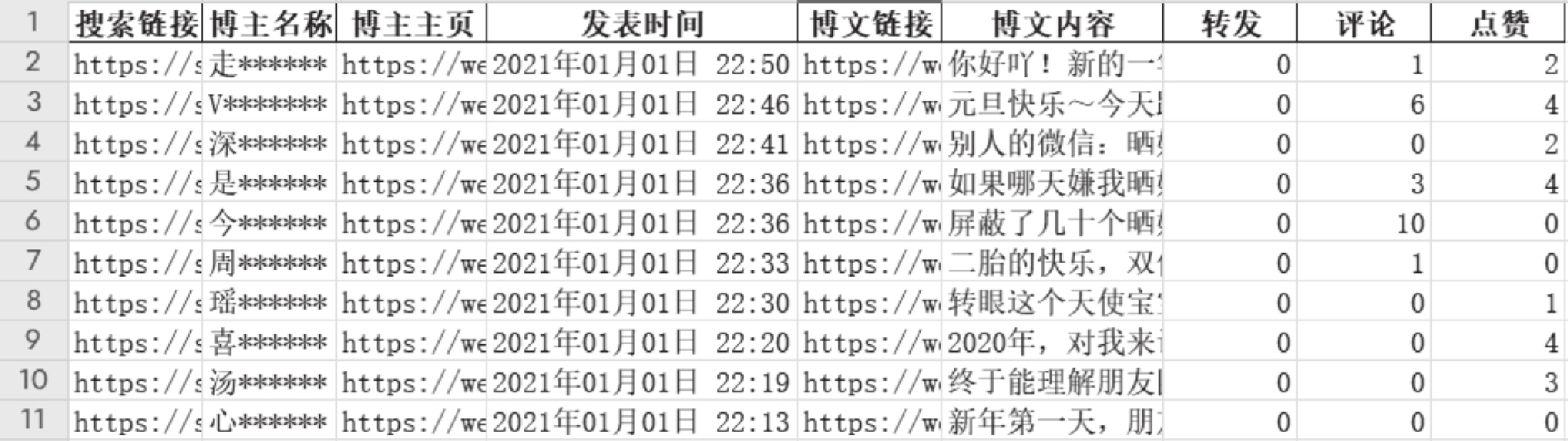
| 干扰文本类型 | 具体文本示例 |
| 商业性质信息 | 米奇亲子装纯棉圆领卫衣秋装新款加绒保暖,纯棉面料柔软舒适,呵护宝宝,高品质印花,方便穿脱,原创设计不撞衫,妈妈晒娃有特色,一家三口吸睛出街。米奇亲子装圆领卫衣洋气新款秋装纯棉母女长袖母子装一家三口父子…… |
| 无实质信息 | 我发布了:#晒娃 #辅导作业 ##快手# @快手 L*****的快手视频 |
| 语义不清信息 | 1.《未婚晒娃计划》;2. 辣妈晒娃二三事超话,买了不炫等于白买 |
| “晒娃”异义信息 | 无聊拍个徽章,等我的晒娃包 |

"

"
| 序号 | 主题词 | 计数 | 加权百分比(%) | 序号 | 主题词 | 计数 | 加权百分比(%) |
| 1 | 朋友 | 6.53 | 11 | 日常 | 820 | 0.71 | |
| 2 | 孩子 | 2.18 | 12 | 视频 | 779 | 0.68 | |
| 3 | 理解 | 1.84 | 13 | 每天 | 776 | 0.67 | |
| 4 | 可爱 | 1.55 | 14 | 照片 | 693 | 0.60 | |
| 5 | 结婚 | 1.09 | 15 | 家长 | 622 | 0.54 | |
| 6 | 妈妈 | 0.90 | 16 | 心情 | 559 | 0.49 | |
| 7 | 喜欢 | 0.89 | 17 | 记录 | 511 | 0.44 | |
| 8 | 别人 | 0.87 | 18 | 成长 | 473 | 0.41 | |
| 9 | 同学 | 969 | 0.84 | 19 | 时间 | 449 | 0.39 |
| 10 | 生活 | 860 | 0.75 | 20 | 分享 | 406 | 0.35 |
"
| 原始语句摘录 | 初始概念 | 初始范畴 |
| “晒娃”逐渐畸形化,而在这背后或存在“利益链”,不少爆火账号签约MCN公司。 | 签约晒娃 | 网红儿童 |
| 一些短视频、直播平台上出现了越来越多以展示“萌娃”为主要内容的账号,不少家长跟风将孩子打造成“网红”,并通过商务合作实现流量变现。 | 流量变现 | |
| 在一些“晒娃”短视频中,家长按照成人审美“别出心裁”地进行情节设计。 | 迎合成人 | 儿童“成人化” |
| 家长利用孩子的童真,让他们讲一些不符合他们年龄的、油腻的台词。 | 童真扭曲 | |
| 儿童与父母之间缺乏互相尊重对方的隐私而容易产生摩擦。 | 儿童隐私权 | 儿童伦理 |
| 孩子同意你发朋友圈了吗?就天天晒娃。 | 知情决定权 | |
| 在那些儿童色情网站上,50%的照片都是来自他们父母的社交账号。 | 色情信息 | 儿童安全 |
| 为何不晒娃,因为怕隐私泄露。 | 隐私泄露 | |
| 晒娃的路上安全隐患不断,晒娃有风险。 | 晒娃风险 | |
| 数字绑架者是指从互联网(通常是社交媒体平台)窃取未成年人照片,并通过人工智能技术对其进行恶意修改的人。 | 信息篡改 | |
| 这些未成年人将来成年,意识到儿时的视频影响其个人声誉、侵犯隐私,这时,想删除这些个人信息,是否有权主张网络服务提供商删除呢?是否有诉讼时效限制? | 信息留存 | |
| 宝宝每天的变化都想记录下来。 | 记录变化 | 成长记录 |
| 我觉得这是孩子成长的黄金记忆,点滴的美好必须记录下来。 | 记录美好 | |
| 妈妈总是忍不住在朋友圈晒娃,实在是想记录你成长的瞬间。 | 记录瞬间 | |
| 太爱你了,怎么都看不够,晒娃真香。 | 情感宣泄 | 情感媒介 |
| 有了这辈子第一次如此在意的人。 | 亲情建立 | |
| 更感恩自己的父母,与伴侣有了两人世界无法感受到的情感联结。 | 情感升华 | |
| 你在网上晒娃,别人不一定觉得可爱,但是你和老公在这件事情上,你们一定是全世界最有共同话题的两个人。 | 夫妻共情 | |
| 情感上就是控制不住。 | 情感难抑 | |
| 微博和盆友圈俨然已经成了晒娃圈。 | 晒娃圈子 | 圈子集群 |
| 晒娃也是一种社交方式吧,既能自家放松解压,也有利于结识同类的家长朋友。 | 同类吸引 | |
| 宝妈爱晒娃与别人交流育儿经验。 | 经验交流 | |
| 本来刷刷那边还挺有归属感的,还能看到一些不错的安利,我本来从小就喜欢小孩子,现在自己生了更加是看着别人的娃乐得不行。 | 同频归属 | |
| 人们晒娃晒车晒家居,晒衣服晒包包甚至美酒佳肴,也可以理解,这些美好感觉,希望与朋友分享,被人赞许,人之常情。 | 分享之欲 | 人的需求 |
| 每个孩子都是父母的骄傲,父母爱孩子,想要“秀一秀”的心情可以理解。 | 表现之欲 | |
| 终于理解每天晒娃的人了,我现在手机里都是猫的照片,就算拍得再丑也不舍得删。 | 养宠共情 | 殊途同感 |
| 小朋友微信给我发来一张他自己画的画,我都想给全世界炫耀,突然就理解了朋友圈里的晒娃狂魔了。 | 教师共情 | |
| 朋友圈晒娃的也就算了,直到今天我看到了有人晒自己家刚出生的小孩拉的屎,我做错了什么,该屏蔽的屏蔽,不想受这份罪。 | 内容不当 | 隐性侵扰 |
| 太可怕了,朋友圈连续三条,都是在晒娃。 | 内容同质 | |
| 我朋友圈有的人晒娃晒得太多了,我就觉得有些烦了。 | 频率过高 | |
| 这也太快了好像去年才看见学姐刚毕业结婚,今天就开始晒娃了。 | 时间映射 | 符号指代 |
| 身边的朋友都到了晒娃的年纪(还有一些已经坚持不懈晒了很久因此滚动到了这个年龄段),朋友圈简直不敢直视。 | 年龄映射 | |
| 看过那么多哪怕一点点熟知的朋友晒红本本晒娃,已经可以完好的消化,我已经不是无忧无虑快乐女大学生身份了。 | 身份映射 |
"
| 范畴的内涵 | 初始范畴 | 副范畴 | 主范畴 |
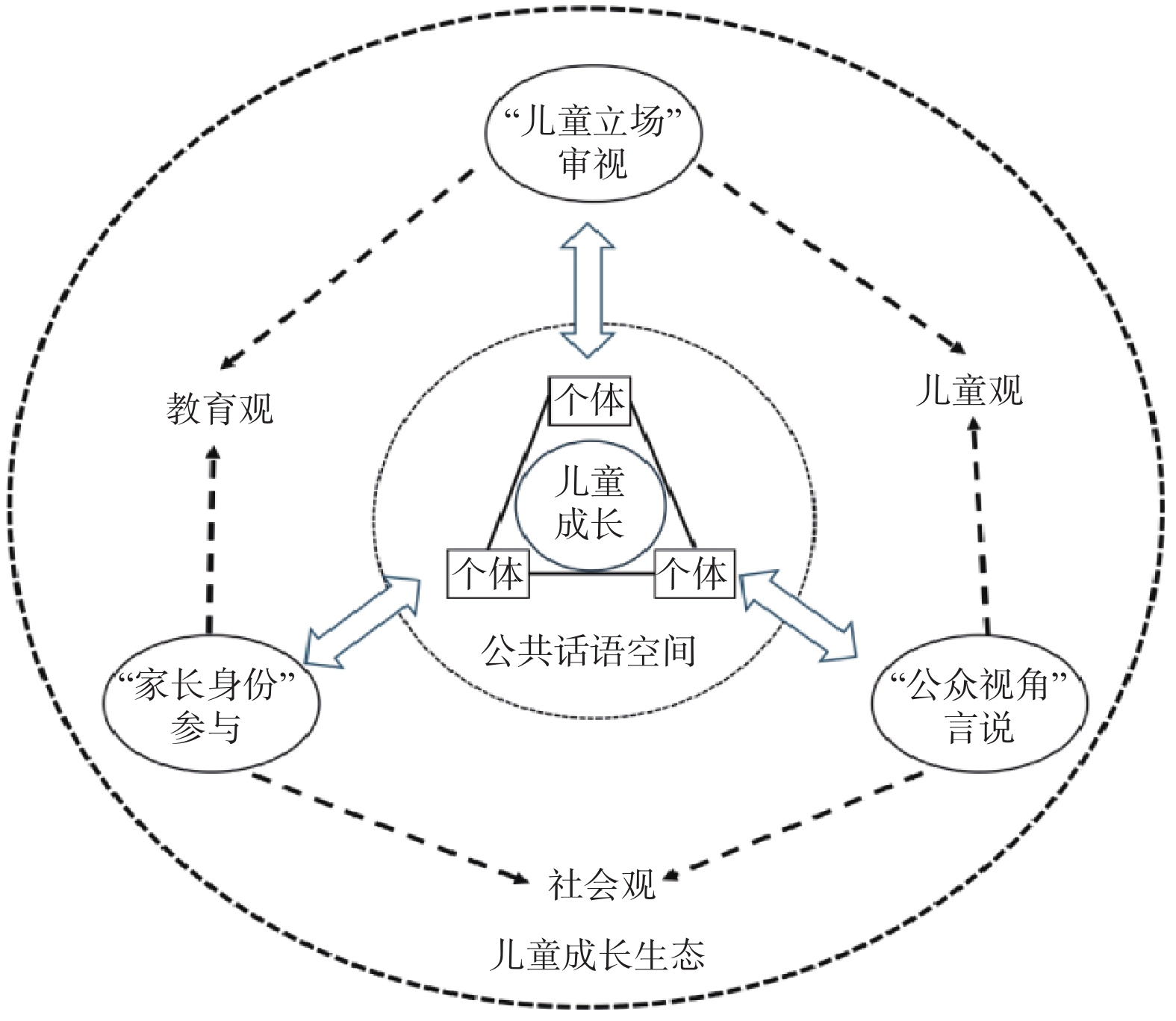
| 儿童在家长的引导下成为了商业化的网红,同时又为了迎合成人审美和大众口味成人化,儿童不再是纯粹的儿童。 | 网红儿童 儿童成人化 | 身份过界 | 儿童视域 |
| 儿童的隐私权、知情权、同意权等权益被忽视和遗忘。 | 儿童伦理 | 伦理遗忘 | |
| 儿童信息在互联网中被留存和篡改,甚至出现隐私泄露的现象,尤其是儿童色情的出现使得晒娃风险具象化。 | 儿童安全 | 安全警示 | |
| 晒娃成为了家长记录孩子成长动态、美好瞬间的方式。 | 成长记录 | 成长记录 | 家长视域 |
| 晒娃不仅是家长与孩子亲情建立和亲情表达的媒介,更通过这种方式与自己的父母升华了情感,夫妻间也得以共情。 | 情感媒介 | 情感媒介 | |
| 晒娃使得同频家长相互集聚,互通经验,形成了晒娃圈的集群。 | 圈子集群 | 集群效应 | |
| 晒娃作为晒的分支,和其他晒行为一样,都是人分享和表现的需求体现,即使殊途也会有同感。 | 人的需求 殊途同感 | 人之常情 | 公众视域 |
| 内容不当或是高频同质的晒娃会使人感到厌烦,并在潜在中侵扰了大众生活。 | 隐性侵扰 | 隐性侵扰 | |
| 社交圈中的晒娃成为了一种符号性的指代,映射了时间的流逝、年龄的增长以及身份的变化。 | 符号指代 | 符号指代 |
"
| 序号 | 姓名 | 性别 | 是否为家长 | 序号 | 姓名 | 性别 | 是否为家长 |
| 1 | L | 男 | 是 | 6 | S2 | 男 | 否 |
| 2 | W1 | 男 | 是 | 7 | W2 | 男 | 否 |
| 3 | Z | 女 | 是 | 8 | F | 男 | 否 |
| 4 | S1 | 女 | 是 | 9 | H2 | 女 | 否 |
| 5 | H1 | 女 | 是 | 10 | G | 女 | 否 |
"
| 人类活动 | 人存在的状态 | 对应的领域 |
| 劳动(labor) | 劳动动物 | 私人领域 |
| 工作(work) | 技艺人 | 社会领域 |
| 行动(action) | 行动者 | 公共领域 |
"
| 阿伦特. (2017). 人的境况(王寅丽, 译). 上海: 上海人民出版社. | |
| 陈长松. (2009). 论网络空间公共领域、私人领域的融合及影响. 学术论坛, (11), 156- 159. | |
| 冯婷. (2007). 消融在消费中的公共领域——读汉娜·阿伦特《人的条件》. 社会学研究, (02), 228- 241. | |
| 郭湛, 王维国. (2009). 公共性的样态与内涵. 哲学研究, (08), 3- 7+128. | |
| 哈贝马斯. (1999). 公共领域的结构转型(曹卫东, 等译). 上海: 学林出版社. | |
| 黄晓林, 张亚男, 吴以源. (2018). 共同打造儿童数字未来——欧美儿童数据保护对我国的借鉴. 信息安全与通信保密, (08), 48- 57. | |
| 康德. (2003). 实践理性批判(邓晓芒, 译). 北京: 人民出版社. | |
| 李锋. (2011). 儿童媒介教育: 批判力的视角. 全球教育展望, (08), 60- 64. | |
| 李丽, 严从根. (2024). 网络公共空间意识教育的兴起背景、主要内容与实现路径——基于网络空间双重属性的分析. 教育科学, (02), 45- 51. | |
| 李昕莞. (2024). 儿童权利保护的伦理意蕴. 伦理学研究, (02), 110- 114. | |
| 利伯曼. (2016). 社交天性(贾拥民, 译). 杭州: 浙江人民出版社. | |
| 联合国儿童基金会. (1989). 儿童权利公约. 取自: https://www.unicef.org. | |
| 廖兴存. (2018). 法益保护原则视阈下儿童色情制品持有入罪论. 当代青年研究, (04), 64- 70. | |
| 刘宇. (2013). 论“对儿童的研究”与“有儿童的研究”. 全球教育展望, (06), 48- 55. | |
| 马晓琴, 曾凡林, 陈建军. (2006). 儿童参与权和童年社会学. 当代青年研究, (11), 47- 51. | |
| 孟薇. (2018). 自媒体时代儿童影像消费现象批判——以抖音为例. 传媒, (23), 77- 79. | |
| 默顿. (2001). 社会研究与社会政策(林聚任, 译). 北京: 生活·读书·新知三联书店. | |
| 普朗科特. (2022). 晒娃请三思: 数字时代的儿童隐私保护(张昌宏, 译). 上海: 上海人民出版社. | |
| 全国人大常务委员会. (2020a). 中华人民共和国民法典. 取自: https://www.gov.cn/xinwen/2020-06/01/content_5516649.htm. | |
| 全国人大常务委员会. (2020b). 中华人民共和国未成年人保护法. 取自: https://www.gov.cn/xinwen/2020-10/18/content_5552113.htm. | |
| 全国人大常务委员会. (2021). 中华人民共和国个人信息保护法. 取自: https://www.gov.cn/xinwen/2021-08/20/content_5632486.htm. | |
| 人民网. (2018). 网上“晒娃”晒出了什么. 取自: http://health.people.com.cn/n1/2018/0604/c14739-30033087.html. | |
| 人民网. (2022). 坚决制止借“网红儿童”牟利. 取自: http://hb.people.com.cn/n2/2022/0105/c194063-35081642.html. | |
| 萨默尔, 塞缪尔森, 亨代尔. (2023). 儿童视角与儿童的视角: 理论与实践(杜继纲, 等译). 北京: 北京师范大学出版社. | |
| 单勇. (2019). 未成年人数据权利保护与被害预防研究——以美国《儿童在线隐私保护法》为例. 河南社会科学, (11), 49- 57. | |
| 谭新斌, 蒋有慧. (2009). 信息传播的嬗变与儿童世界的危机——儿童成人化问题的信息学探讨. 教育学术月刊, (02), 57- 60. | |
| 王珏, 胡钦. (2024). 数字化生存的本真性问题——基于海德格尔的媒介存在论视角. 郑州大学学报(哲学社会科学版), (04), 100- 106. | |
| 王延川, 吴海燕. (2023). 儿童数据权益保护: 同意主义之检视. 河南社会科学, (10), 63- 71. | |
| 王友缘. (2018). 谁是儿童?——制度化学校教育背景下童年边界的变迁. 教育发展研究, (08), 6- 12. | |
| 王贞会, 周梓睿. (2024). 未成年人数字权利的倡导及其实现. 中国青年社会科学, (03), 117- 127. | |
| 文化和旅游部办公厅. (2021). 文化和旅游部办公厅关于加强网络文化市场未成年人保护工作的意见. 取自: https://www.gov.cn/zhengce/zhengceku/2021-12/02/content_5655433.htm. | |
| 熊威. (2016). 网络公共领域研究. 北京: 中国政法大学出版社. | |
| 徐浩. (2020). 中国当代公共话语中的中小学教师形象研究. 全球教育展望, (11), 118- 128. | |
| 闫方洁. (2015). 自媒体语境下的“晒文化”与当代青年自我认同的新范式. 中国青年研究, (06), 83- 86+82. | |
| 严从根. (2016). 论公共空间意识教育. 教育研究, (05), 60- 65. | |
| 央视网. (2021). 渗透广、危害大, 斩断儿童软色情利益链刻不容缓. 取自: https://news.cctv.com/2021/08/04/ARTIbcsW1smePfaUqXyW89Z5210804.shtml. | |
| 于靓. (2018). 大数据时代未成年人被遗忘权的法律保护. 江海学刊, (02), 149- 155+239. | |
| 赵璐阳, 尚重生. (2016). 数字媒体时代公共话语的异化及其回归. 江汉论坛, (08), 129- 133. | |
| 浙江日报潮新闻. (2025). “网红儿童”频现背后: 被贩卖的童真该由谁来买单. 取自: https://tidenews.com.cn/news.html?id=3071815&app_jump=1. | |
| 中国互联网络信息中心. (2024). 第53次中国互联网络发展状况统计报告. 取自: https://www.cnnic.cn/n4/2024/0322/c88-10964.html. | |
| 中国网信办. (2024). 网信部门从严打击网上侵害未成年人合法权益行为. 取自: https://www.cac.gov.cn/2024-12/19/c_1736308605590121.htm. | |
| 中国新闻网. (2022). 别用短视频过度消费未成年人. 取自: https://www.chinanews.com.cn/sh/2022/02-14/9675518.shtml. | |
| 中华人民共和国教育部. (2021). 中华人民共和国家庭教育促进法. 取自: http://www.moe.gov.cn/jyb_sjzl/sjzl_zcfg/zcfg_qtxgfl/202110/t20211025_574749.html. | |
| 中华人民共和国司法部. (2019). 儿童个人信息网络保护规定. 取自: https://www.moj.gov.cn/pub/sfbgw/flfggz/flfggzbmgz/202101/t20210105_146377.html. | |
| 朱逸. (2022). 网络公共领域的行动逻辑及构建路径. 上海: 上海人民出版社. | |
| Benhabib, S. (1996). The Reluctant Modernism of Hannah Arednt. Thousand Oaks: Sage Publications. | |
| Neugarten, B L, Moore J W, Lowe J C. (1965). Age Norms, Age Constraints, and Adult Socialization. AmericanJournal of Sociology, 70 (6), 710- 717. |
| [1] | Chonghan Wu, Chongwang Zhu, Xi Wang. Interdisciplinarity Approach to Knowledge Production for Modern Family Education [J]. Journal of East China Normal University(Educationa, 2025, 43(2): 78-89. |
| [2] | Tong Jin, Yafen Li. Understanding the School Public Space in the Digital Age:Practical Problems of Digital Transformation of Education [J]. Journal of East China Normal University(Educational Sciences), 2023, 41(3): 45-51. |
| [3] | Qingfeng Cai, Guanchen Wu, Wuyuan Chen. Transport Infrastructure and Family Education Expectation: Empirical Analysis Based on “China Family Panel Studies” [J]. Journal of East China Normal University(Educational Sciences), 2022, 40(8): 96-114. |
| [4] | Ning Liu, Siya Wu. Codification of Family Education Promotion Law in Education Code [J]. Journal of East China Normal University(Educational Sciences), 2022, 40(5): 100-107. |
| [5] | Hao Yu, Xiaojun Zheng. Jurisprudential Basis of Educational Power [J]. Journal of East China Normal University(Educational Sciences), 2021, 39(8): 107-115. |
| [6] | Wu Zunmin, Li Yan. A Policy Study on Students' Learning Expectations Viewed from Respect: A Case of Shanghai [J]. Journal of East China Normal University(Educationa, 2019, 37(5): 80-91. |
| Viewed | ||||||
|
Full text |
|
|||||
|
Abstract |
|
|||||
