华东师范大学学报(教育科学版) ›› 2026, Vol. 44 ›› Issue (4): 79-90.doi: 10.16382/j.cnki.1000-5560.2026.04.007

• 教育人口学 • 上一篇    下一篇

我国省域学龄人口变化预测与高等教育布局结构优化研究

胡娟, 宫颢韵, 段伯渊   

  1. 中国人民大学教育学院,北京 100872
  • 接受日期:2025-12-22 出版日期:2026-04-01 发布日期:2026-03-31
  • 基金资助:
    国家社科基金教育学一般课题“学龄人口变化与高等教育结构优化研究”(BIA250167)。

Prediction of Higher Education-Age Population Changes at the Provincial Level in China and the Optimization of Higher Education Layout Structure

Juan Hu, Haoyun Gong, Boyuan Duan   

  1. School of Education, Renmin University of China, Beijing 100872, China
  • Accepted:2025-12-22 Online:2026-04-01 Published:2026-03-31

摘要:

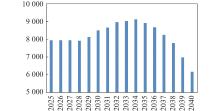
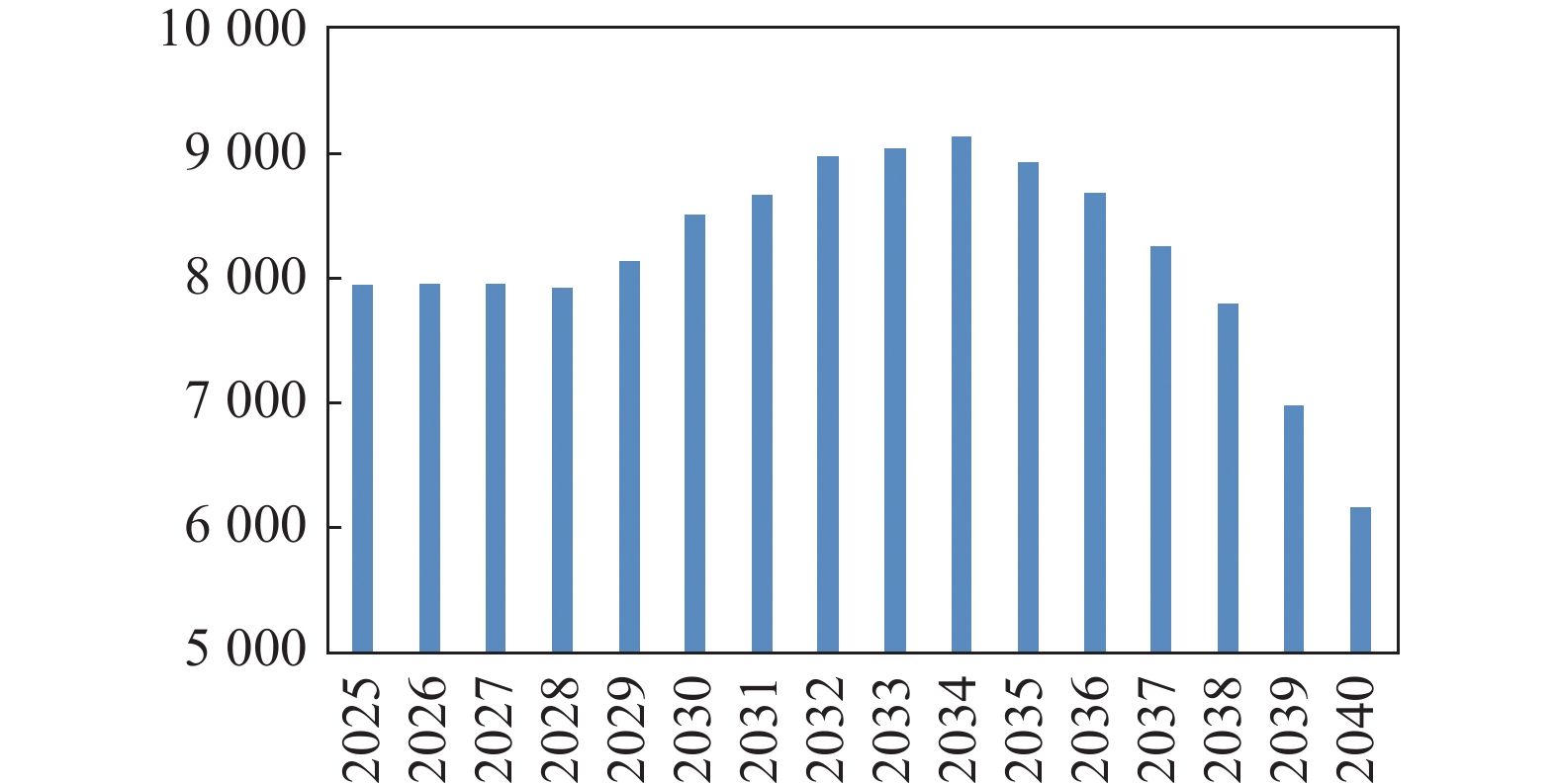
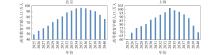
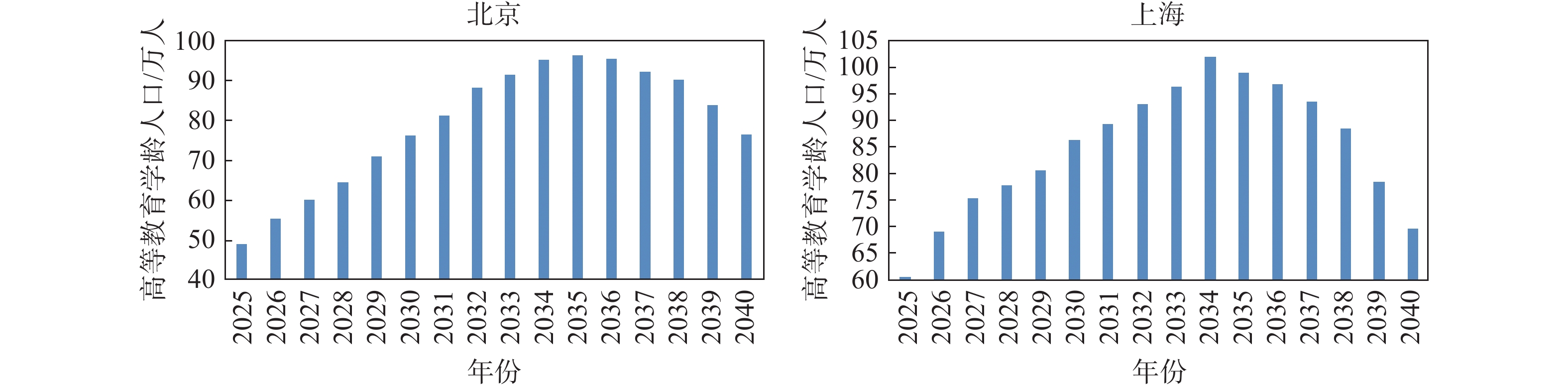
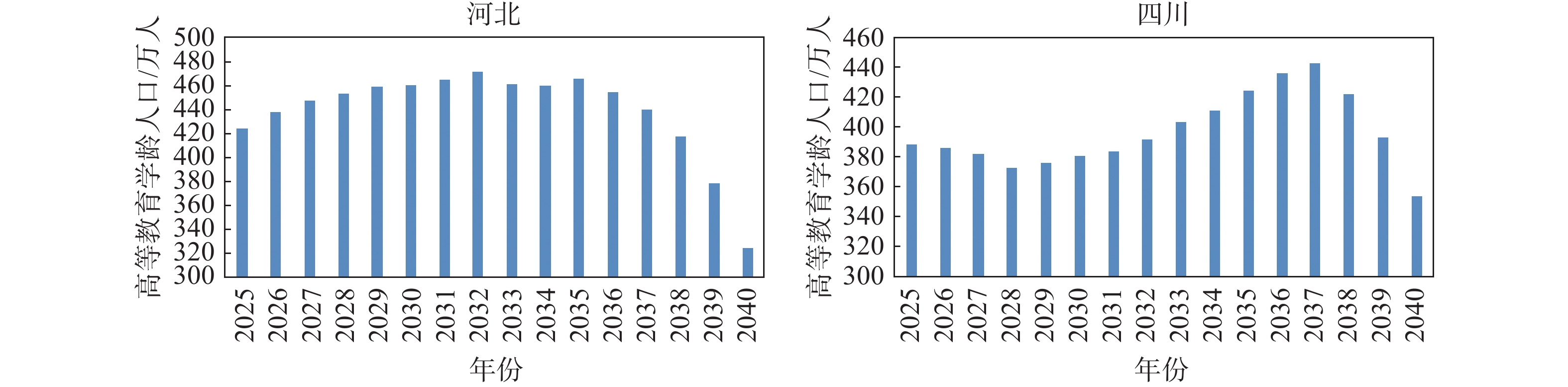
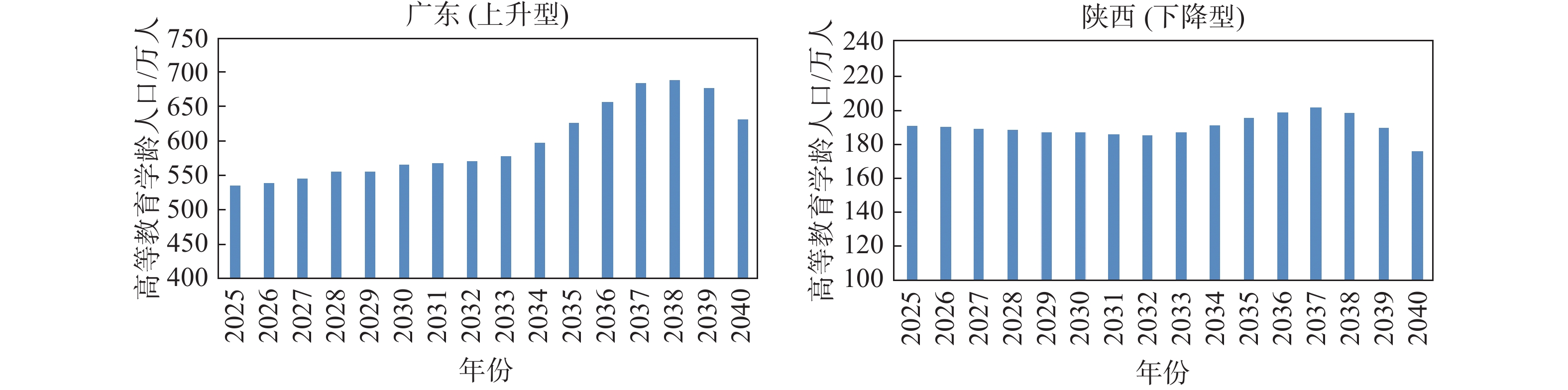
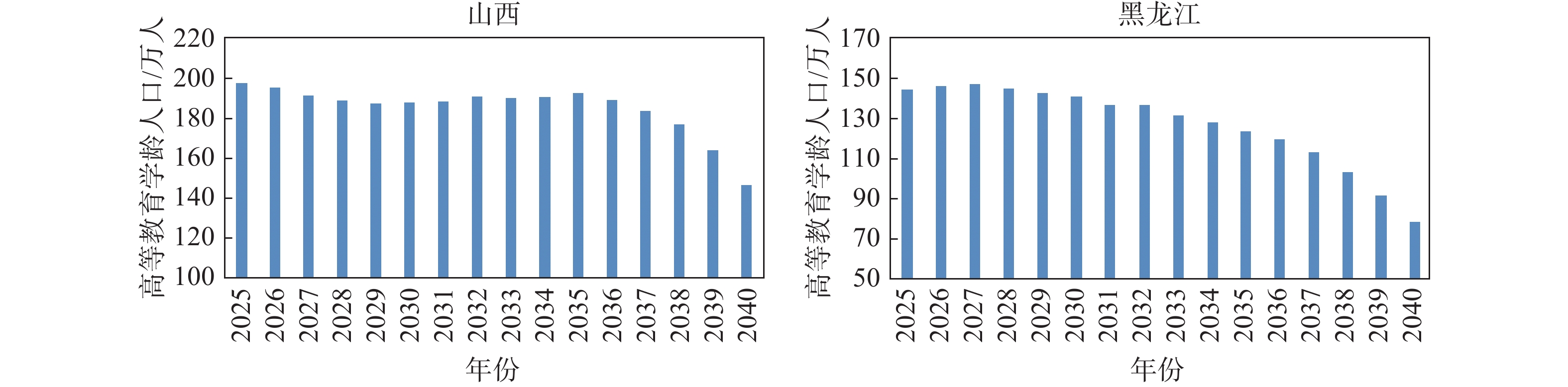
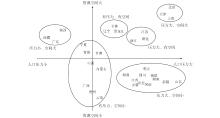
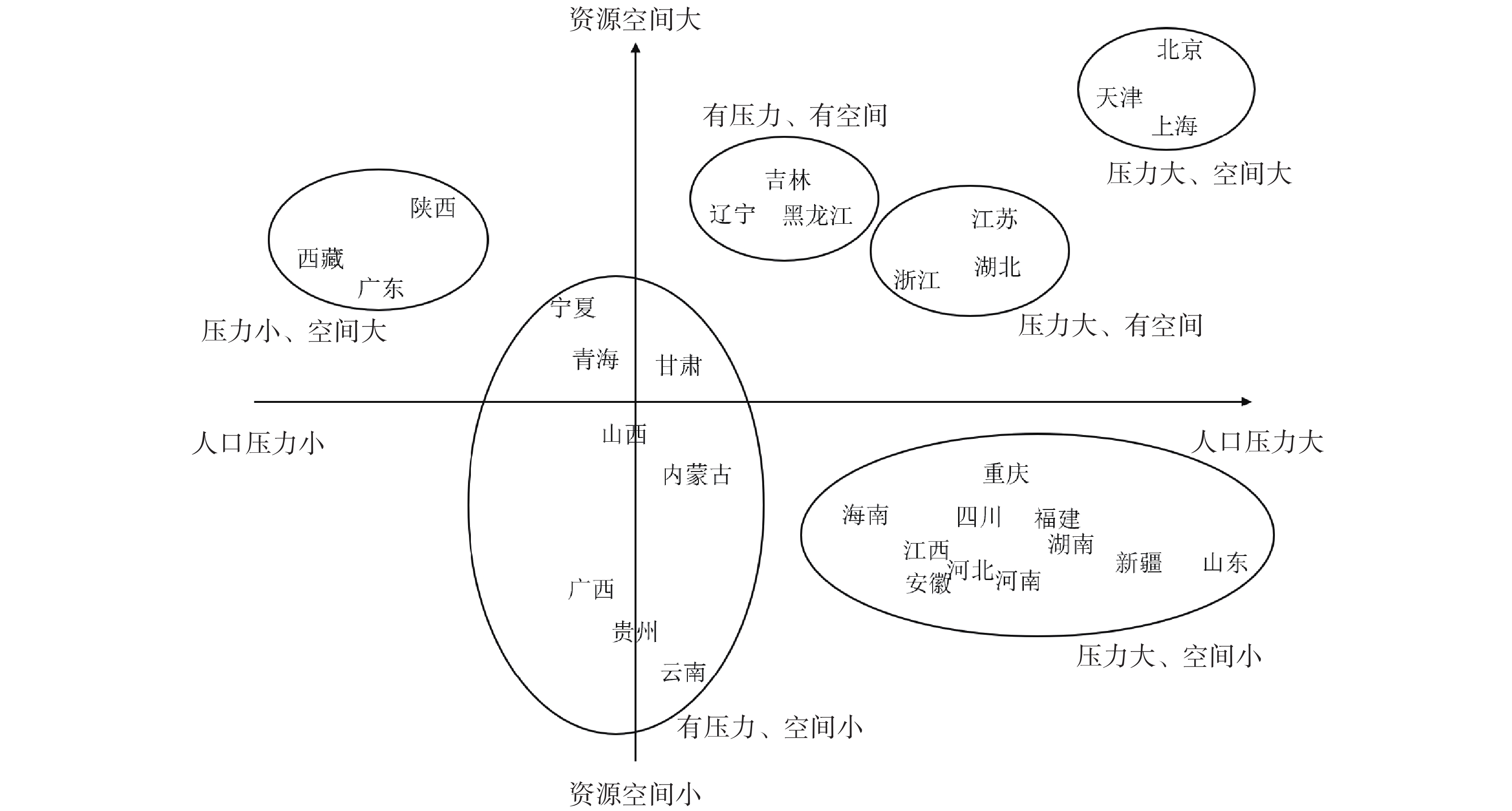
中国人口出生率的持续走低将对高等教育领域产生重大冲击,各省份在人口变化和高等教育资源禀赋上的较大差异更会增加高等教育系统的应对难度。研究运用多要素人口预测模型对2025—2040年全国和省域高等教育学龄人口规模进行预测。结果显示,各省份高等教育学龄人口变化趋势与全国趋势不尽相同,呈现出差异化特征,具体可划分为急升急降型、稳升急降型、稳升稳降型和波动下降型四类。研究基于各省份学龄人口变化和高等教育资源数据,将全国31个省份按未来面临的调整压力、调控空间和调整重点差异分为六个政策压力圈层。提出应建立全国性、跨人口周期的高等教育资源配置长效机制和动态化、差异化的省域政策响应机制,优化高等教育布局结构,以有效应对高等教育学龄人口变化带来的挑战。

关键词: 少子化, 高等教育结构, 学龄人口, 省域

Abstract:

The sustained decline in China’s birth rate will significantly impact the higher education sector. Disparities among provinces in demographic shifts and higher education resource endowments further complicate the system’s response. This study employs a multi-factor population projection model to forecast the scale of the higher education-age population at both national and provincial levels for 2025—2040. Results indicate that provincial trends in higher education-age populations diverge from the national trajectory, exhibiting distinct patterns that can be categorized into four types: rapid rise followed by sharp decline, steady rise followed by abrupt drop, steady rise with gradual decline, and fluctuating decline. Based on provincial-level data on age-group population shifts and higher education resources, the study categorizes China’s 31 provinces and municipalities into six policy pressure zones according to their future adjustment pressures, regulatory flexibility, and adjustment priorities. It proposes establishing a nationwide, multi-generational long-term mechanism for allocating higher education resources alongside dynamic, differentiated provincial policy responses. Optimizing the spatial distribution of institutions is essential to effectively address challenges arising from shifts in the higher education age-group population.

Key words: low birth rate, higher education structure, higher education-age population, province