华东师范大学学报(教育科学版) ›› 2026, Vol. 44 ›› Issue (8): 1-7.doi: 10.16382/j.cnki.1000-5560.2026.08.001

• 绪论 •    

超越图灵测试:“AI一作”大型社会实验后的思考

袁振国   

  1. 华东师范大学教育学部,上海 200062
  • 接受日期:2026-04-23 出版日期:2026-08-01 发布日期:2026-06-23
  • 基金资助:
    教育部哲学社会科学研究重大专项:实施国家教育数字化战略推动教育强国建设问题研究(2025JZDZ054)。

Beyond the Turing Test: Reflections on the Large-Scale Social Experiment of “AI as the First Author”

Zhenguo Yuan   

  1. Faculty of Education, East China Normal University, Shanghai 200062, China
  • Accepted:2026-04-23 Online:2026-08-01 Published:2026-06-23

摘要:

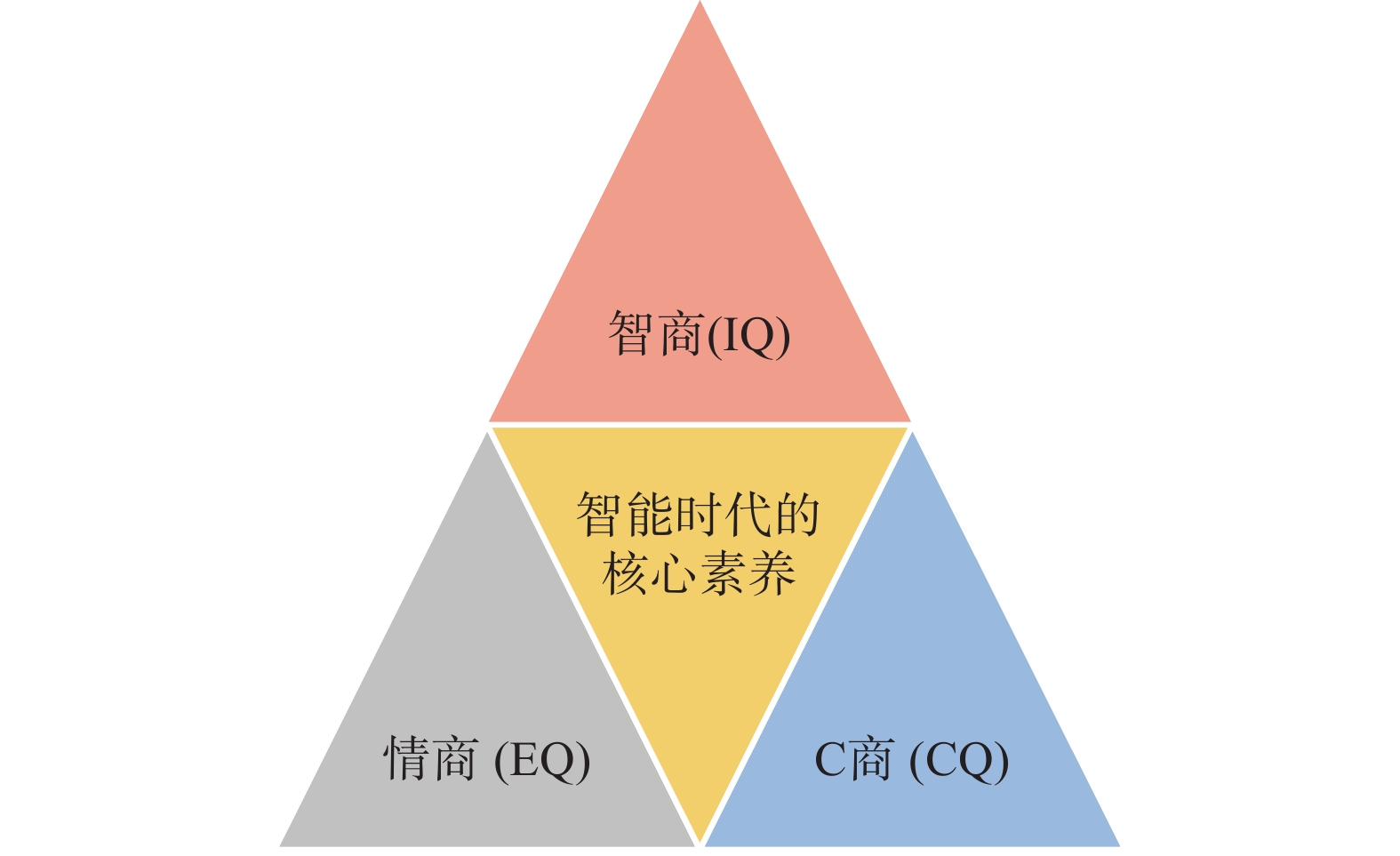
“AI一作”的大型社会实验已经落幕,但留给人们的思考并未停止。文章从实验对学术规范与伦理、知识生产方式与知识权力、科研制度与科研成果认定、教育制度与师生关系等四个层次,提出了九个发人深省的问题:“AI一作”实验最现实的挑战是什么,对知识生产的影响是什么,对知识权力的影响是什么,知识平权将对社会产生什么影响,对学术论文和学术期刊的影响是什么,将来怎样评价知识、评价人的学术贡献,高等教育势必进行怎样的变革,AI最难替代的“核心能力”是什么,应该塑造怎样的新型师生关系?等。文章提出了“AI霸权”“人类担保人制度”“信任价值”等重要观点和思想,特别是提出了人机协同商数(简称“C商”)的概念,认为C商与智商、情商将共同构成人工智能时代人的核心素养。展望了碳基生命与硅基生命连台共舞、人与机器共同进化的未来景象。

关键词: 超越图灵测试, 知识生产, 知识权力, 知识评价, 人机协同商数(C商), 高等教育深度变革

Abstract:

The large-scale social experiment of “AI as the First Author” has concluded, yet the reflections it has inspired are far from over. From four dimensions, namely the experiment’s impacts on academic norms and ethics, knowledge production modes and knowledge power, scientific research systems and the identification of research achievements, as well as educational systems and teacher-student relationships, this paper puts forward nine thought-provoking questions. What is the most practical challenge posed by the “AI as the First Author” experiment? What impact does it exert on knowledge production? What impact does it exert on knowledge power? What impact will knowledge equalization have on society? What impact does it have on academic papers and academic journals? How should knowledge and individuals’ academic contributions be evaluated in the future? What inevitable transformations will higher education have to undergo? What is the “core competence” that is the most difficult for AI to replace? What kind of new teacher-student relationship should be constructed? among others. This paper proposes important viewpoints and concepts including “AI hegemony”, “human guarantor system” and “value of trust”. In particular, it puts forward the concept of the Human-Machine Collaboration Quotient (C-Quotient), and holds that C-Quotient, together with Intelligence Quotient (IQ) and Emotional Quotient (EQ), will jointly constitute the core competencies of human beings in the era of artificial intelligence. It also envisions a future where carbon-based life and silicon-based life dance together on the same stage, and humans and machines co-evolve.

Key words: beyond the turing test, knowledge production, knowledge power, knowledge evaluation, human-machine collaboration quotient (CQ), in-depth transformation of higher education