华东师范大学学报(教育科学版) ›› 2026, Vol. 44 ›› Issue (4): 116-126.doi: 10.16382/j.cnki.1000-5560.2026.04.010

• 教育法治 • 上一篇    

中小学校长职级结构的制度特征与治理进路

郅庭瑾1, 刘文萍2   

  1. 1. 华东师范大学教育学部,上海 200062
    2. 西北师范大学教育科学学院,兰州 730070
  • 出版日期:2026-04-01 发布日期:2026-03-31
  • 基金资助:
    教育部哲学社会科学研究重大课题攻关项目“教育家精神弘扬与落实机制研究”(24JZD013)。

Institutional Characteristics and Governance Pathways of the Rank Structure for Primary and Secondary School Principals

Tingjin Zhi1, Wenping Liu2   

  1. 1. Faculty of Education, East China Normal University, Shanghai 200062, China
    2. School of Education Science, Northwest Normal University, Lanzhou 730070, China
  • Online:2026-04-01 Published:2026-03-31

摘要:

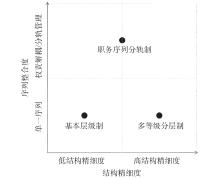
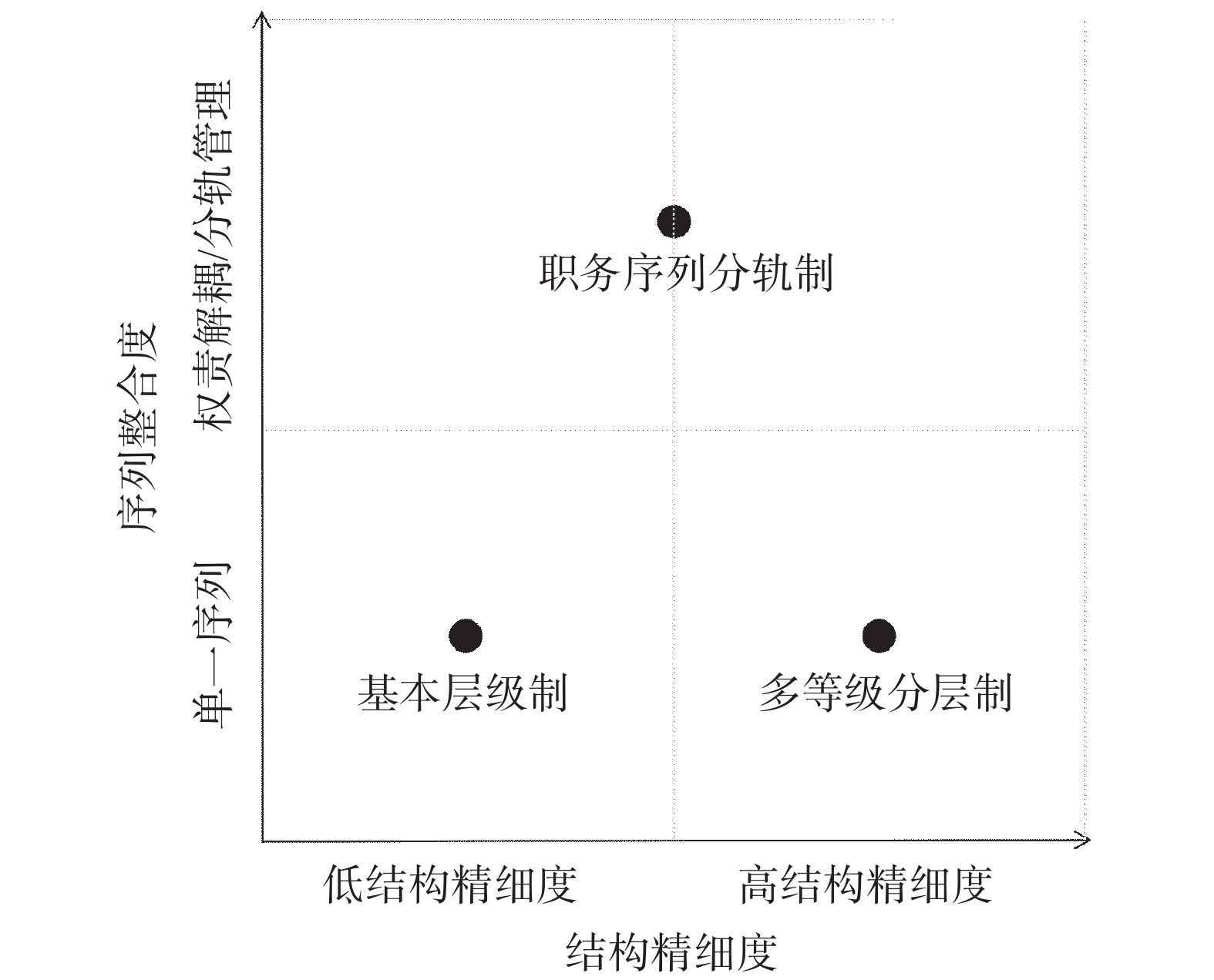
校长职级制是推动中小学校长专业化与学校治理现代化的制度安排,但在推行中面临区域实践碎片化与职级结构科学性不足的挑战。本研究系统分析了中国中小学校长职级制改革中职级结构这一核心制度载体的设计特征、区域模式及内在治理逻辑,以期回应制度统一性与执行差异性、激励达成与现实可持续之间的深层张力。本文采用混合研究路径,整合了对30个地区政策文本的比较分析、对全国1172名校长的问卷调查以及对多个改革先行区域的实地访谈,进行多源数据的交叉验证。研究发现:校长职级结构呈现纵向分层与横向区隔双重制度特征,实践样态表现为“多等级分层制”“基本层级制”与“职务序列分轨制”三类区域模式;制度合理性建基于专业发展赋能、财政集约激励与科层-专业融合三重制度逻辑。研究提出构建央地差序治理框架,即中央建立四级基准架构、复合比例控制与财政分级保障机制,地方进行差异化调适,同时引入多元协同机制,将职级结构深度嵌入教育治理体系,从而使其超越单一人事管理工具,真正成为实现教育家办学的制度支撑。

关键词: 中小学校长职级制, 职级结构, 区域模式, 教育治理, 制度逻辑

Abstract:

The rank institution for primary and secondary school principals serves as an institutional arrangement aimed at promoting professional development among principals and modernizing school governance. However, its implementation faces challenges such as fragmented regional practices and insufficient scientific grounding. This study systematically analyzes the design features, regional practice models, and inherent governance logic of the rank structure, the core institutional vehicle within China’s reform, to address the deep-seated tensions between standardization and differentiation, as well as between motivation and sustainability. Adopting a mixed-methods approach, this research integrates a comparative analysis of policy documents from 30 regions, a questionnaire survey of 1,172 principals nationwide, and field interviews in several pioneering reform areas, enabling cross-validation from multiple data sources. The findings reveal that the rank structure exhibits dual institutional characteristics of vertical stratification and horizontal differentiation. Existing practices can be categorized into three regional models: “multi-tier grading systems,” “basic hierarchy systems,” and “separate-track position sequences.” The system’s rationale is built on a triple institutional logic—facilitating professional development, implementing fiscally sustainable incentives, and integrating bureaucratic and professional elements. Accordingly, this study proposes a differentiated central-local governance framework: the central government should establish a four-tier benchmark structure, a composite ratio control mechanism, and a fiscally graded security system; local governments should conduct differentiated adaptations, and multi-stakeholder collaboration mechanisms should be introduced. The ultimate aim is to deeply integrate the rank structure into the educational governance system, transforming it from a mere personnel management tool into an institutional cornerstone for realizing educator-led school innovation.

Key words: rank institution for primary and secondary school principals, rank structure, regional models, educational governance, institutional logic